
A Note on the “Small” project
There is an older, wiser architect in my life who has warned me more than once: be careful about taking on projects for people too close to you. It isn't that friendship and work can't mix — they can, and often do beautifully. But the guardrails we build around professional relationships exist for a reason. When those guardrails come down, the work suffers. And sometimes, so does the friendship.
I won't go into the specifics of the recent project that reminded me of this. It was a small residential job, now finished, and the details aren't the point. What I want to write about is the strange arithmetic of "small."
The Arithmetic
In my last post I wrote about designing at 1:1 — how there is no place to hide when a line is no longer a symbol for a wall but simply a groove in the metal. Every millimetre lives on your thumb.
Small projects, I've learned, have a professional version of this problem.
At a masterplan scale, there are layers of abstraction between you and the decision. A line on a drawing is a wall someone else will build, in a phase someone else will manage, on a budget someone else will approve. There are teams. There are stages. There is distance.
On a small project, the distance collapses. You are the designer, the detail draughtsman, the coordinator, and — if you are not careful — the message-answering service at 10pm on a Friday. Every question lands directly on your desk. Every change request skips the three emails it would have travelled through on a larger job. The "small" project, by the time you add it up, can eat as much of you as a full office fit-out. Mine cost me 168 hours before I walked away from it.
The Sins I Wrote About
The hardest part of this to admit is that I knew better.
When I was qualifying as an Architect, I wrote — at length, and with some confidence — about good practice. I provided critical analyses of bad practice. I catalogued, with the smugness only a candidate can produce, the mistakes I had seen at the firms I worked for.
And then, given my first proper opportunity, I walked straight into all of them.
I accepted design changes over chat without an email trail. I agreed to meetings at times I should have protected. I discounted a fee because of a personal history that did not, in the end, protect the working relationship. I kept saying yes when the professional answer was a firm and friendly no.
I am writing this down mostly as a reminder to myself. But if you are a younger designer starting out — or an older one restarting, as I am — perhaps some of these are worth holding onto:
A small project is not a small commitment. Price it, scope it, and treat it with the same rigour you would a larger one.
Put meetings in the calendar. Put decisions in email. Chat apps are for small talk, not small print.
A deducted fee is not a favour. It is a quiet agreement that your time matters less, and everything downstream of that tends to confirm it.
When the scope begins to drift, say so early. The longer the drift, the harder the correction.
Dignity Over Portfolio
I could have finished the project. I was nearly at the end. There would have been a few photographs, perhaps a line on the portfolio, perhaps a partial fee recovered.
I chose to walk away instead. It was not the commercially clever decision — the financial dent is real, and it will sit with me for a while. But the older I get, the more I believe that a practice is not built on the projects you finish. It is built on the terms under which you are willing to work.
Fakeprintshop is a small studio, still finding its shape. The shape it will not take is one bent out of line by a project that should have been declined at the start.
The next post will be a more optimistic one — I promise. There is a project I have been quietly developing for over a year now that I am looking forward to finally sharing. Walls, gravity, and all the rest of it.
For now, thank you for reading. I hope you are wiser than I am. And if you are not — well, consider this the shortcut.
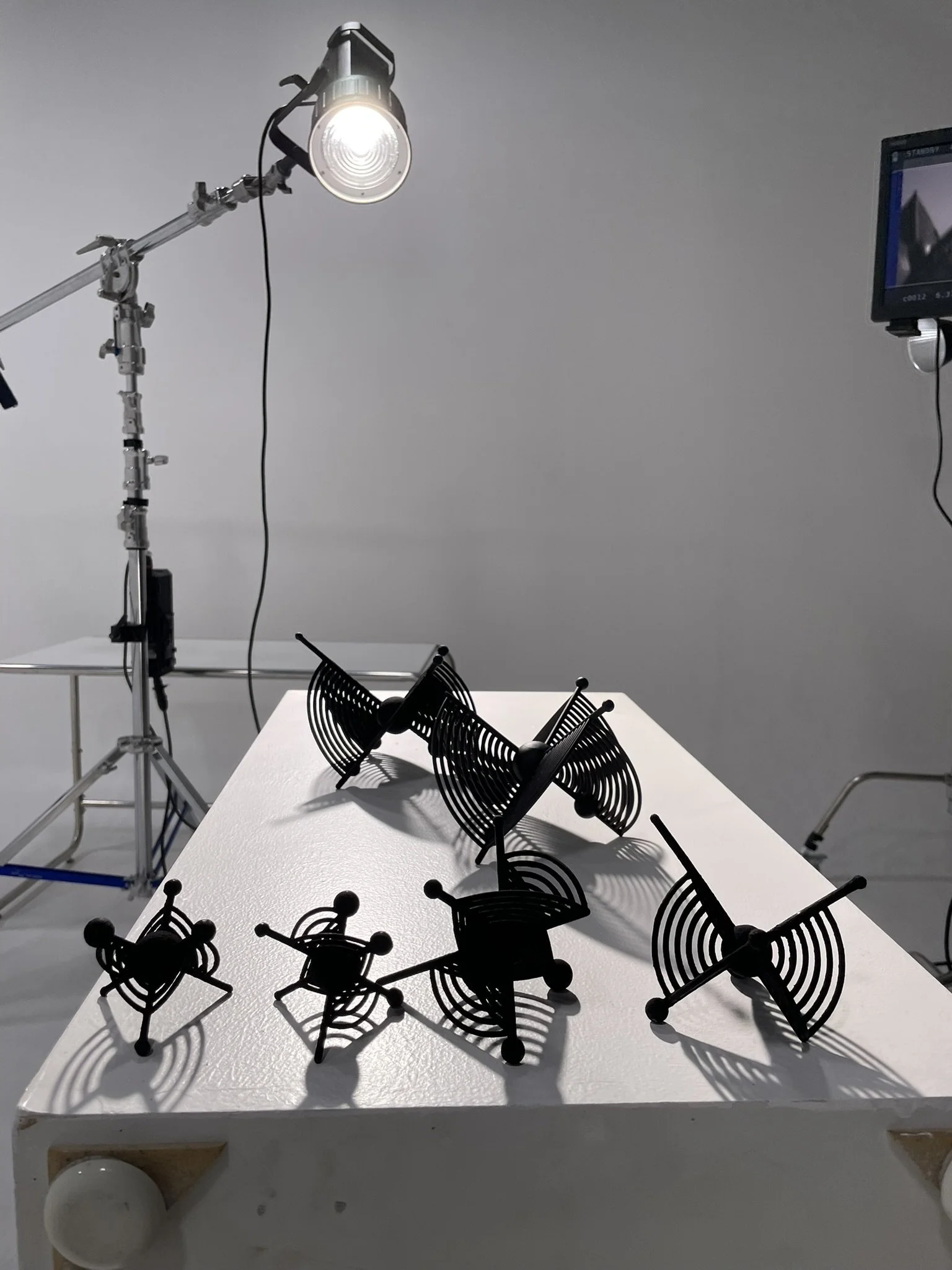
No Place to Hide: The Struggle of Micro-details
I struggled immensely designing this tiny object.
That might sound ridiculous. As an architect, I am used to dealing with masterplans, site constraints, and structures that weigh thousands of tons. I usually work at a scale of 1:100, 1:500, or even 1:1000. At that scale, a line on a piece of paper represents a thick concrete wall; a box represents a building.
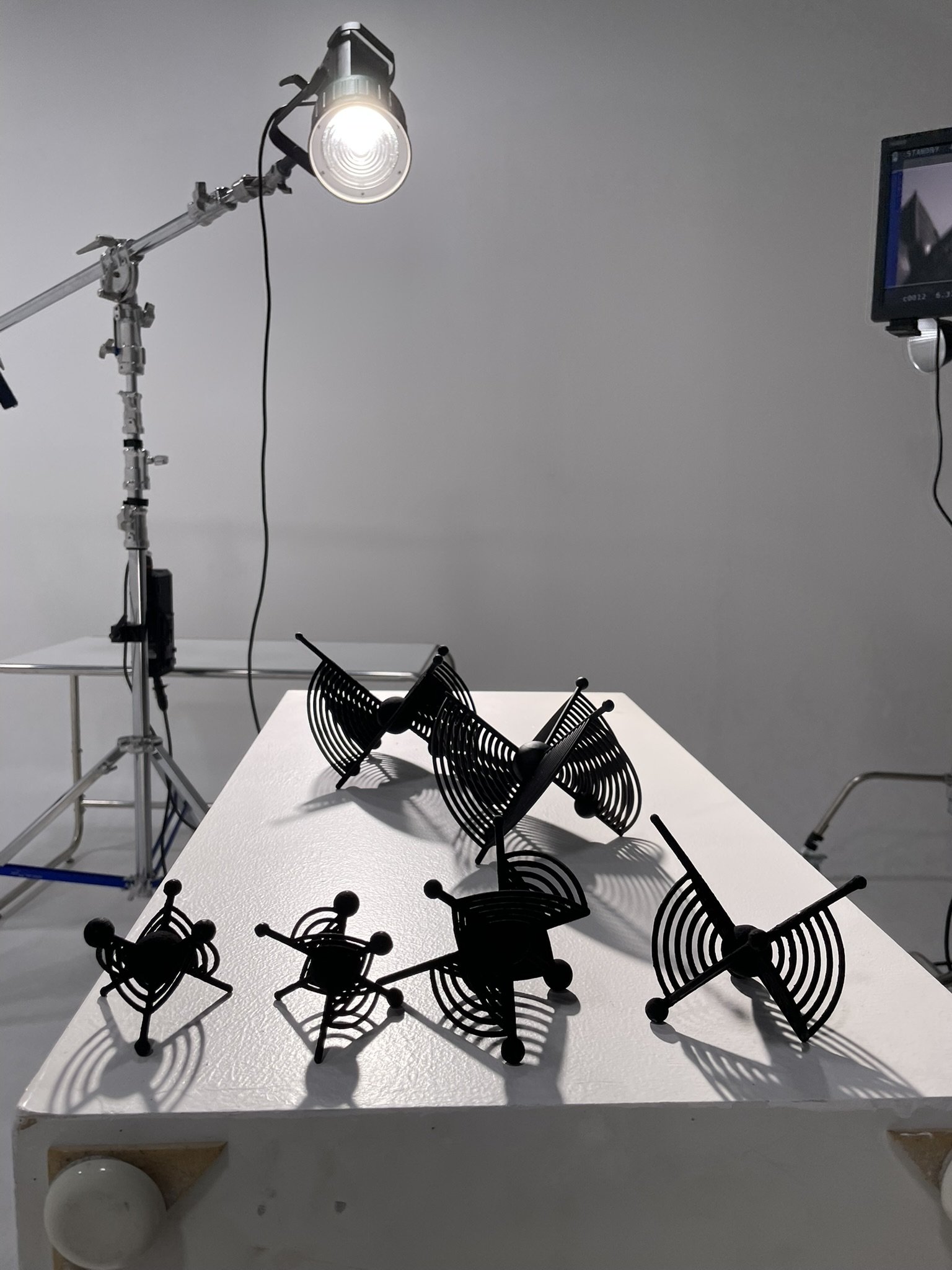
Video Shooting in Progress
Now that the Holiday Market is over, 2025 has wrapped up, and some of the paperweights have left my hands, I can finally admit something.
I struggled immensely designing this tiny object.
That might sound ridiculous. As an architect, I am used to dealing with masterplans, site constraints, and structures that weigh thousands of tons. I usually work at a scale of 1:100, 1:500, or even 1:1000. At that scale, a line on a piece of paper represents a thick concrete wall; a box represents a building.
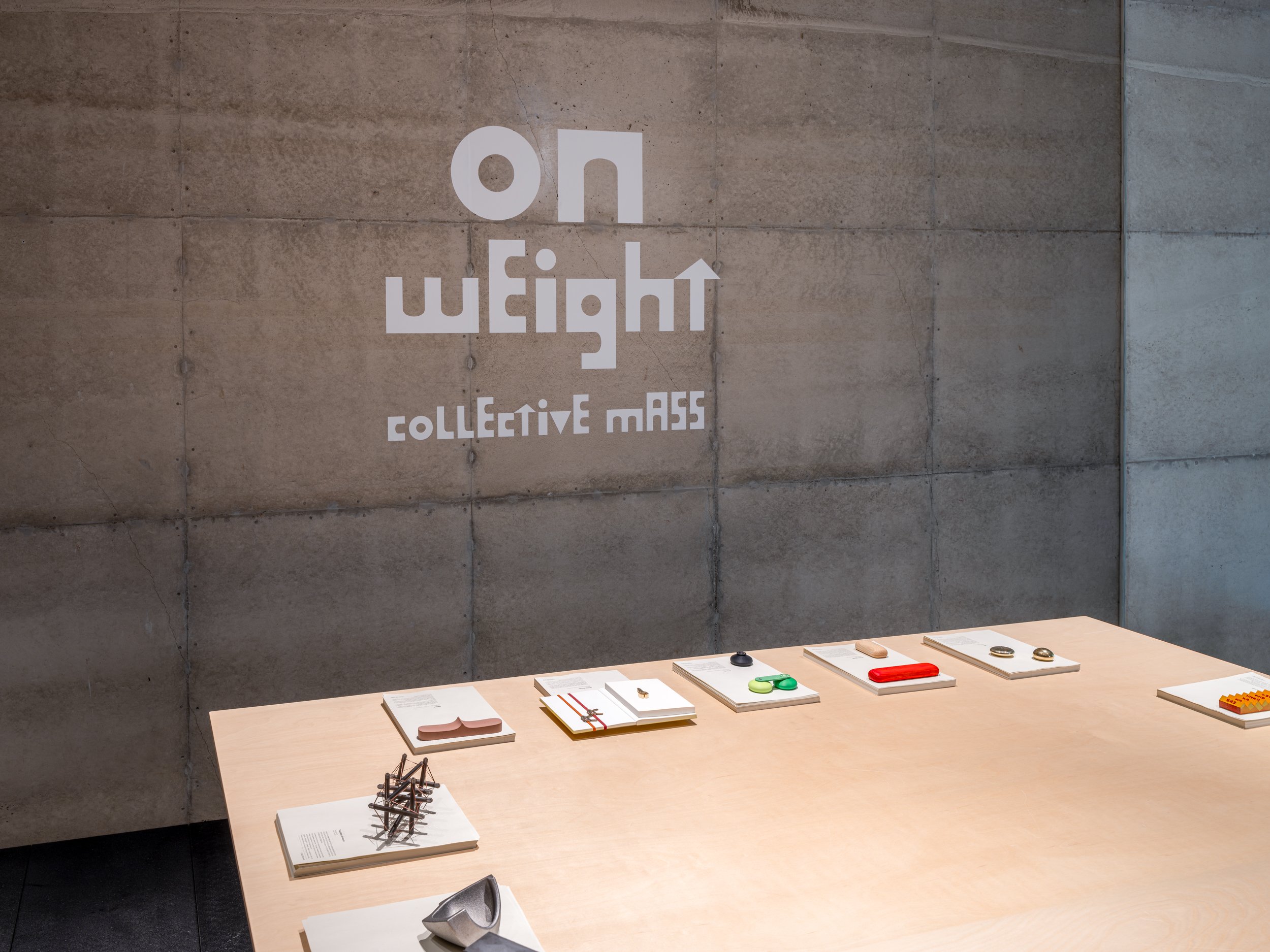
But for the<On Weight>exhibition at Songeun, the rules changed.
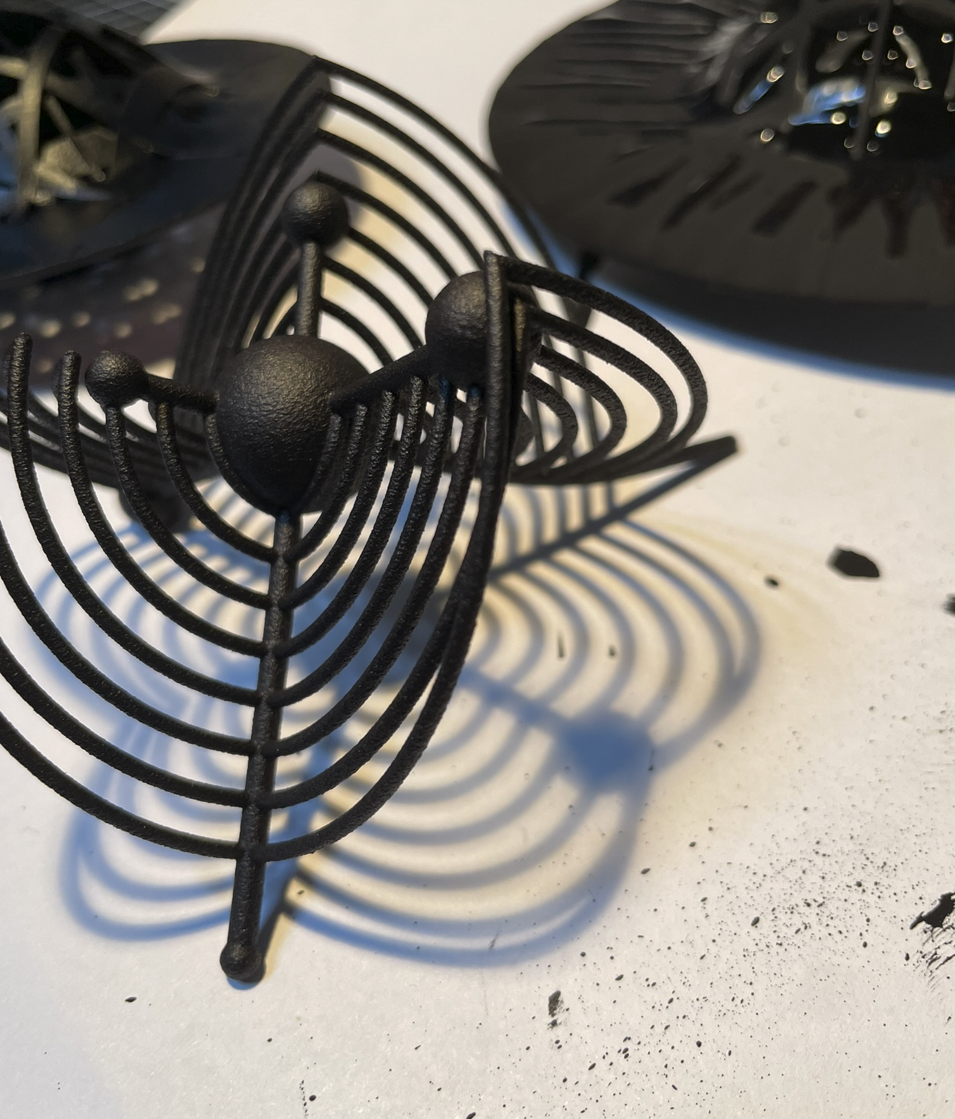
Colour Testing
When a Line is Just a Line
At a scale of 1:1, there is no abstraction. A line is not a symbol for a wall—it is just a groove in the metal. It might have symbolic meaning or rhetoric, but it isn't a representation of something else. It is the thing itself.
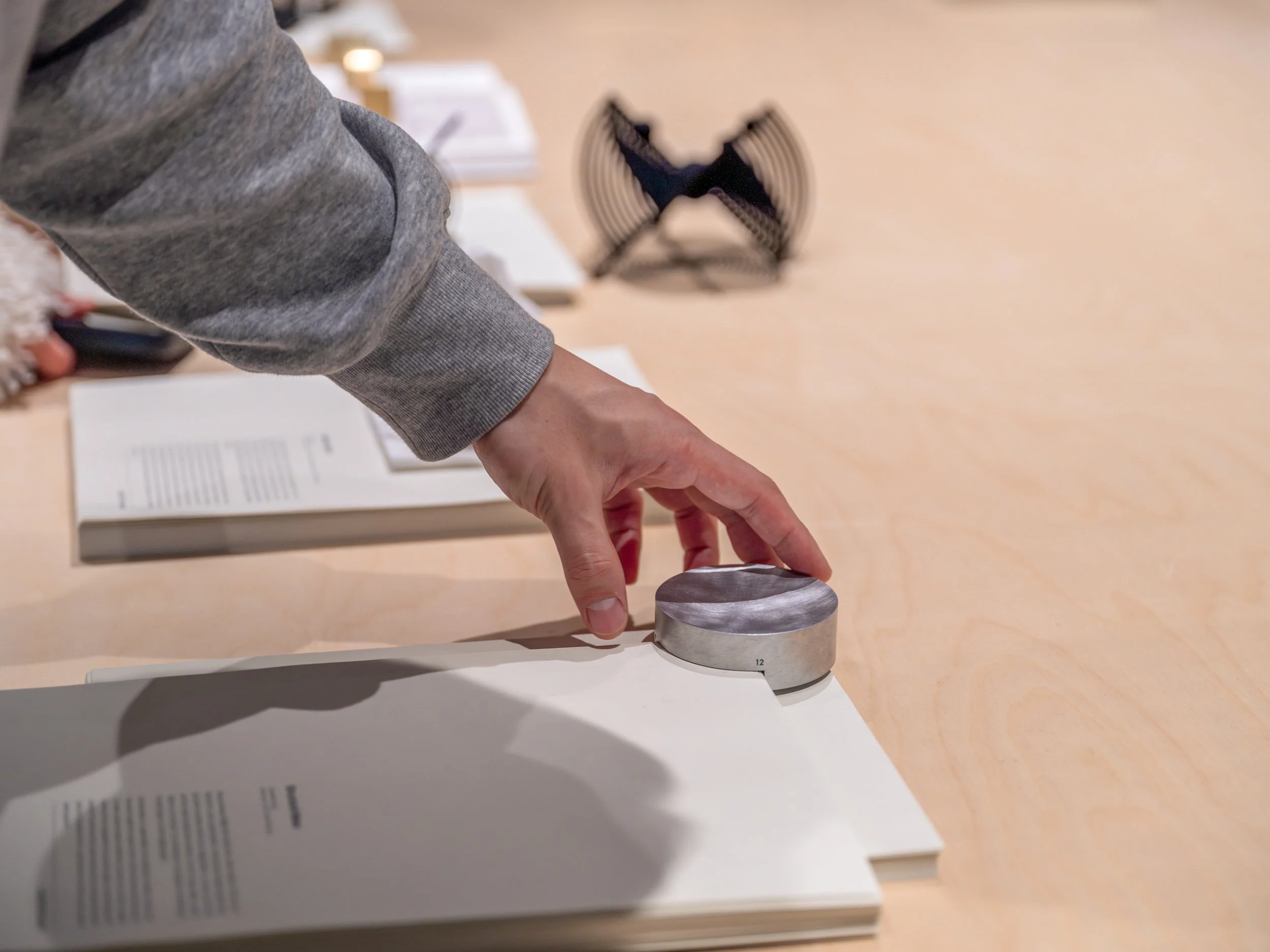
With an object that sits in the palm of your hand, there is no place to hide. A millimeter difference isn't a "tolerance issue"—it is a mistake you can feel with your thumb. When you zoom in that close, the stakes feel surprisingly high.
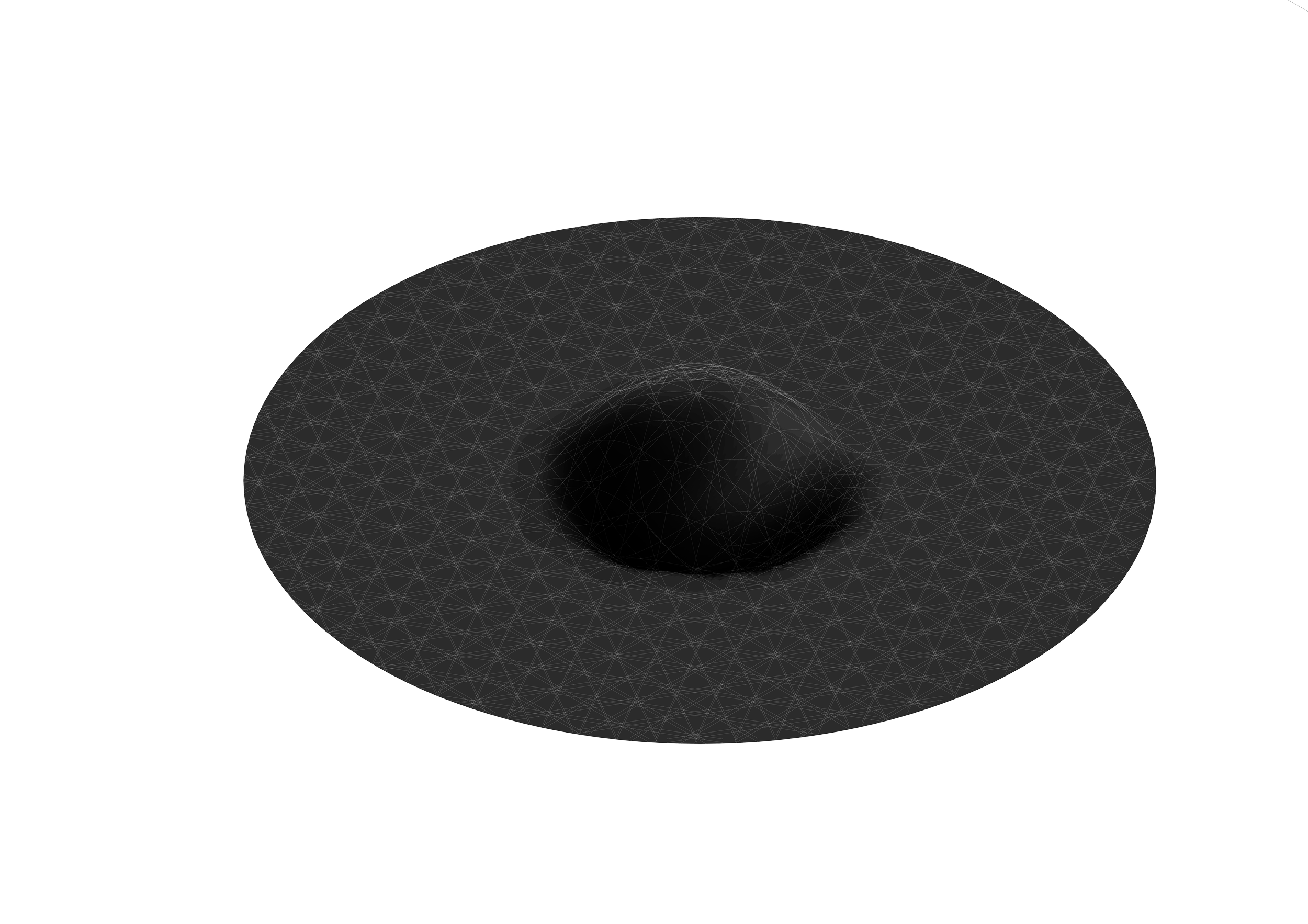
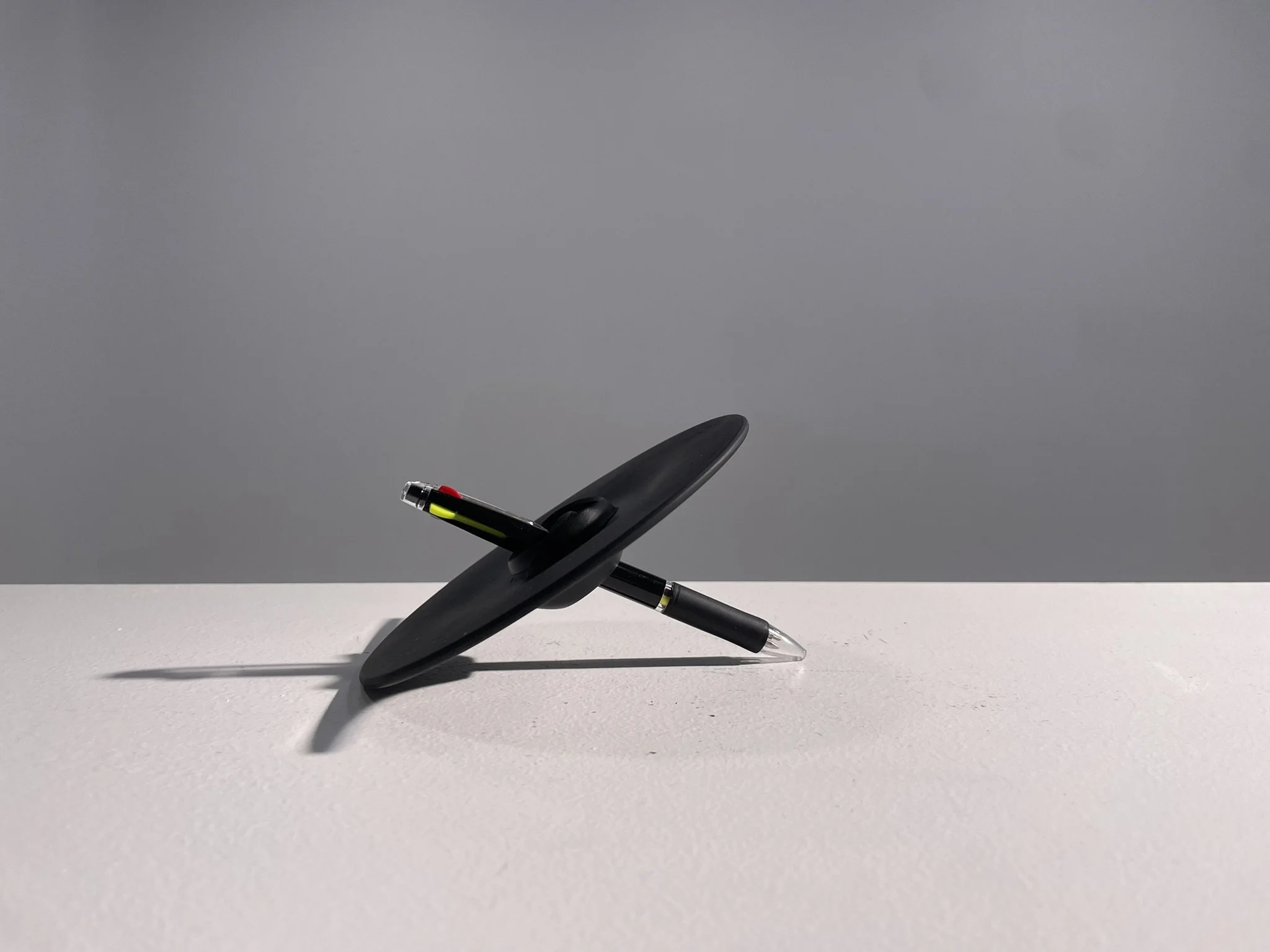
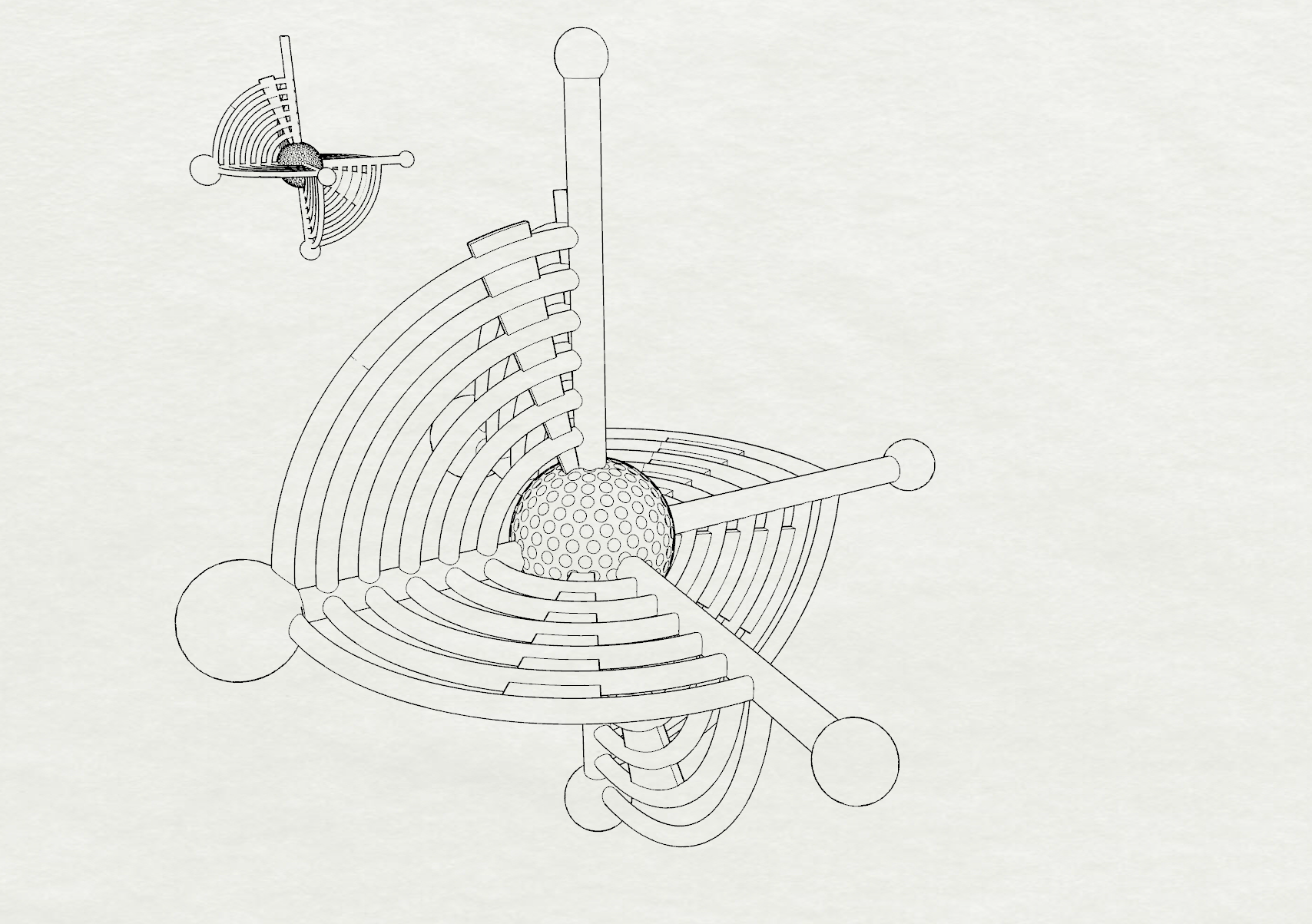
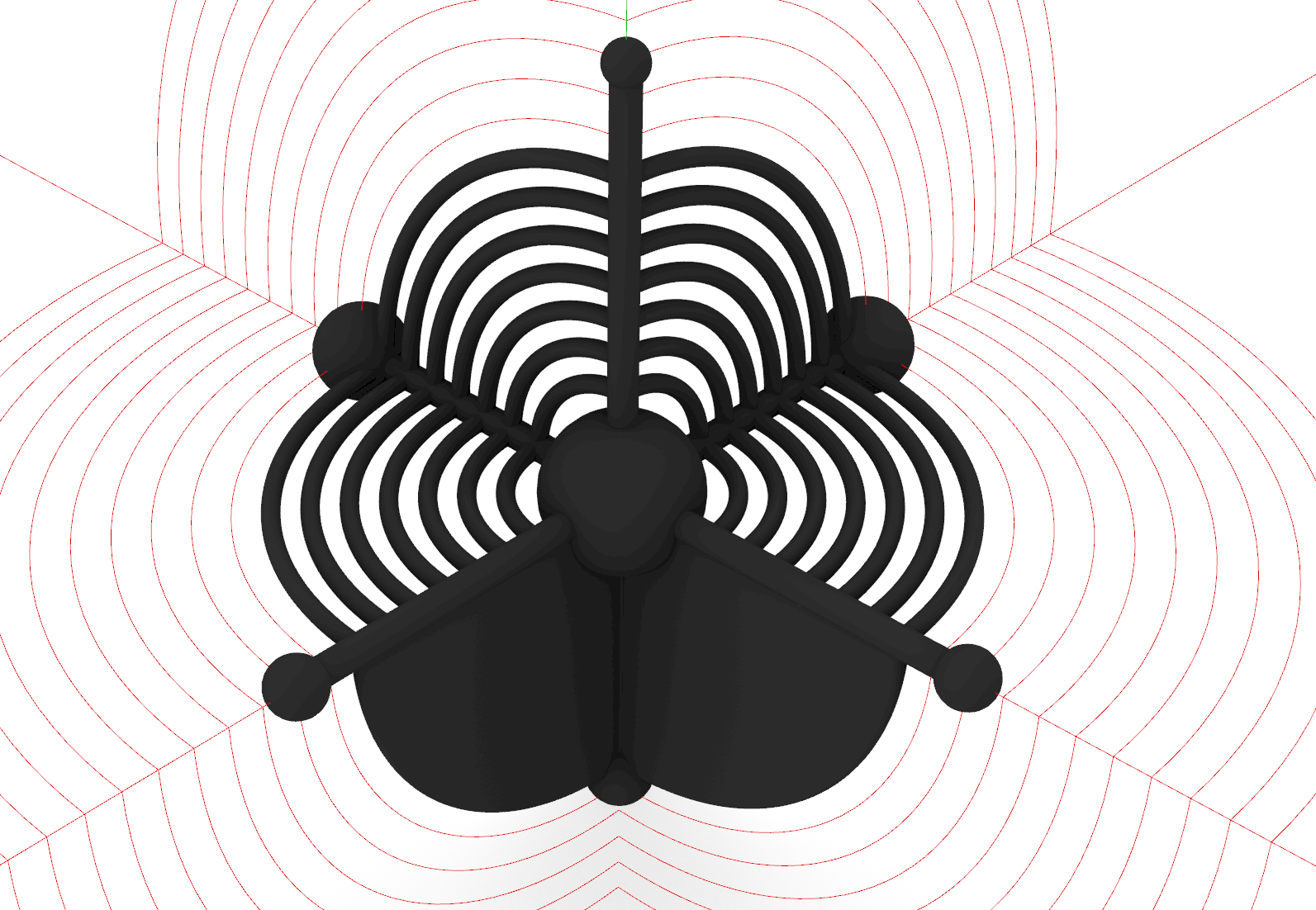
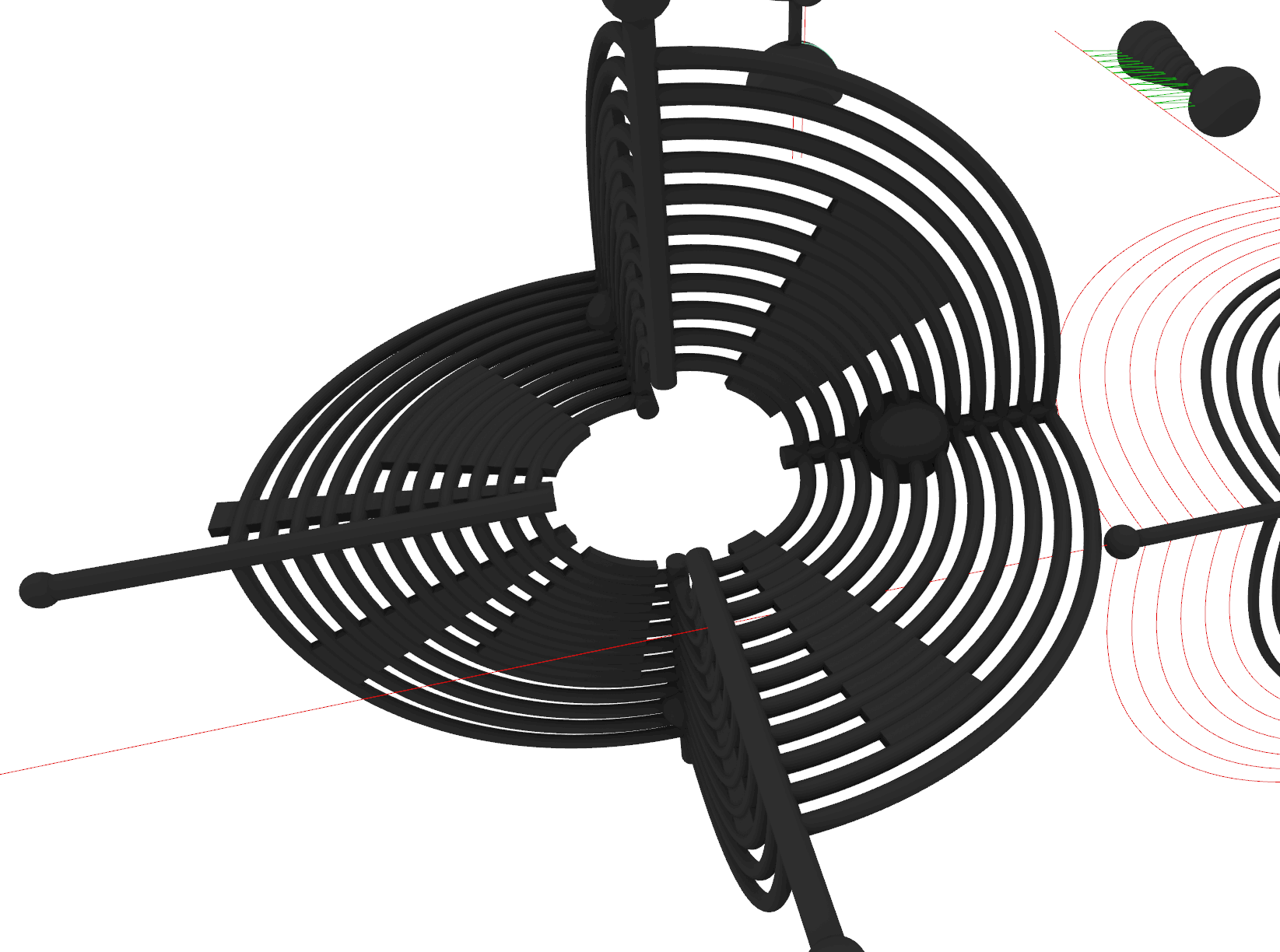
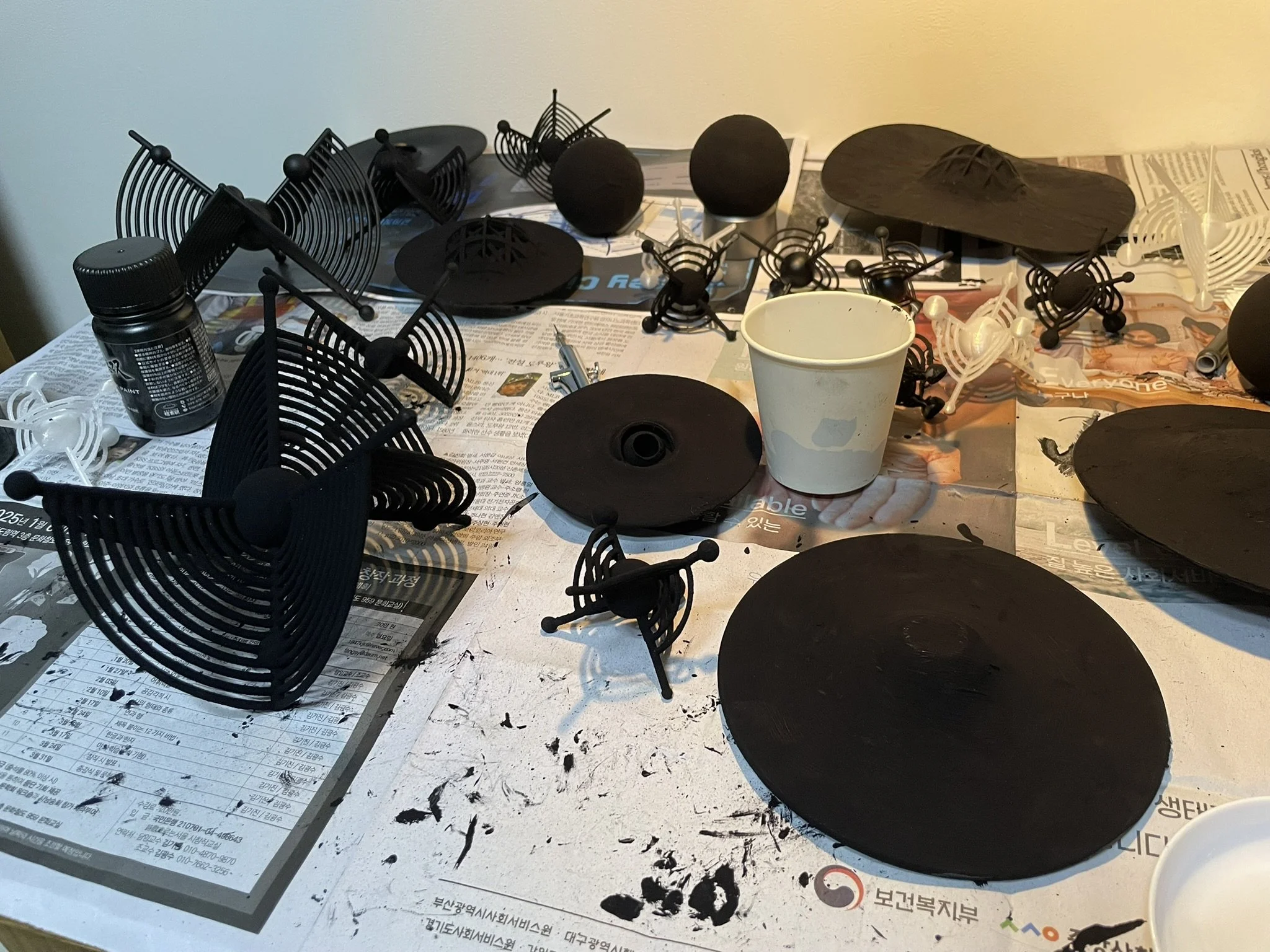
I wanted to share the traces of this project—the versions that didn't make it to the exhibition table.
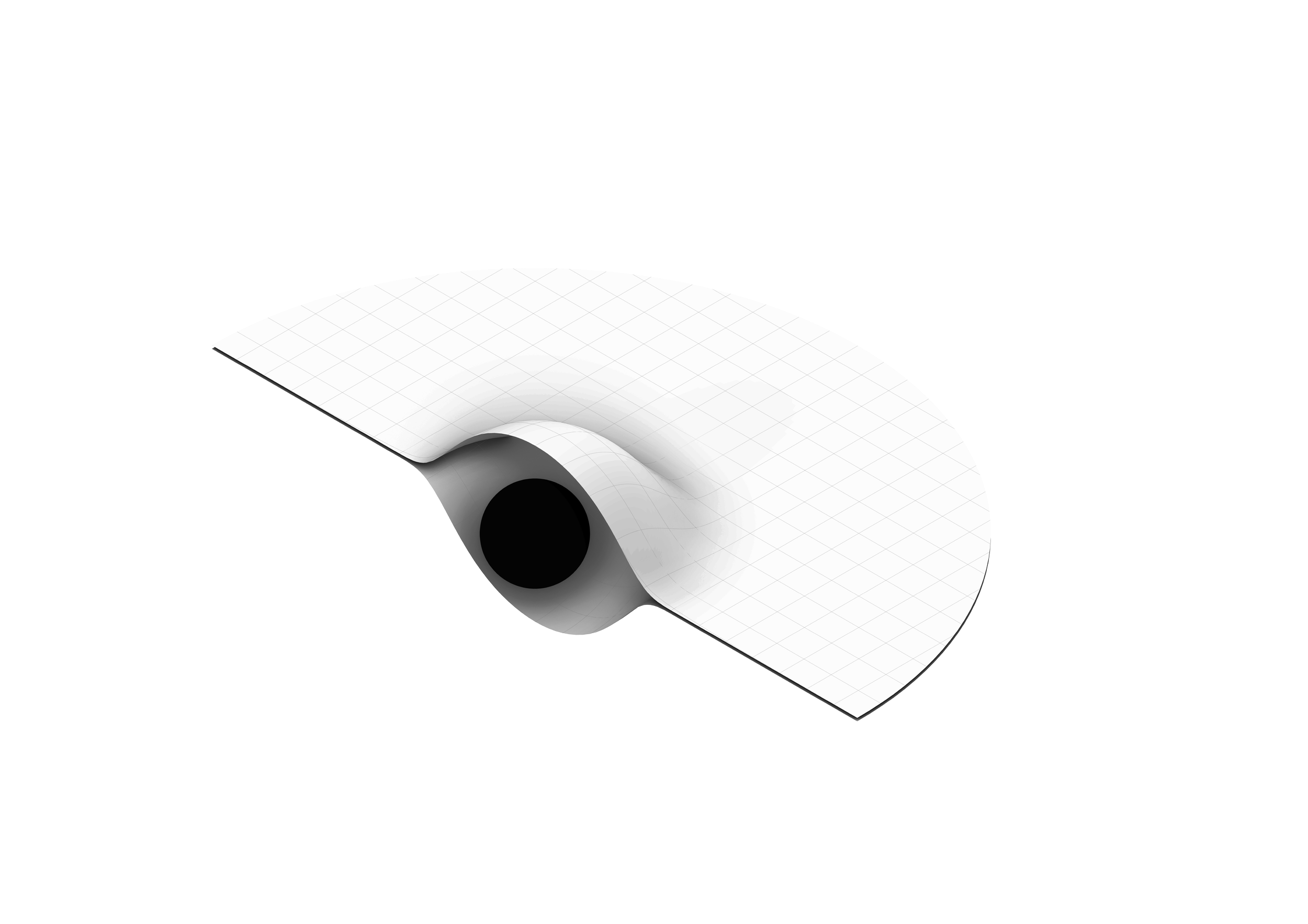
The "Priorities" and The Detours
From the very first meeting, I thought I knew exactly what I wanted to do. Even though the scale was drastically different, I believed my architectural process would translate. I started the way I always do: by setting priorities. In architecture, this means knowing the legal framework, the site clauses, and the client's budget.
For this paperweight, my priorities were:
To be heavy (the fundamental duty of a paperweight).
To be different (from the other designers and my own past work).
To use a new material (something I was unfamiliar with).
But the path wasn't straight. Because I wasn't designing a building, my mind wandered into "function." At one point, I wanted it to hold a pen. At another, I wanted it to spin like a fidget toy in the center.
There was even a moment I tried to distort human cognitive perception by using Stuart Semple's Black 4.0 (the "blackest black" paint). I wanted to erase the depth of the object entirely. That experiment ended unfortunately, and we moved to a different finish. But these were necessary failures.
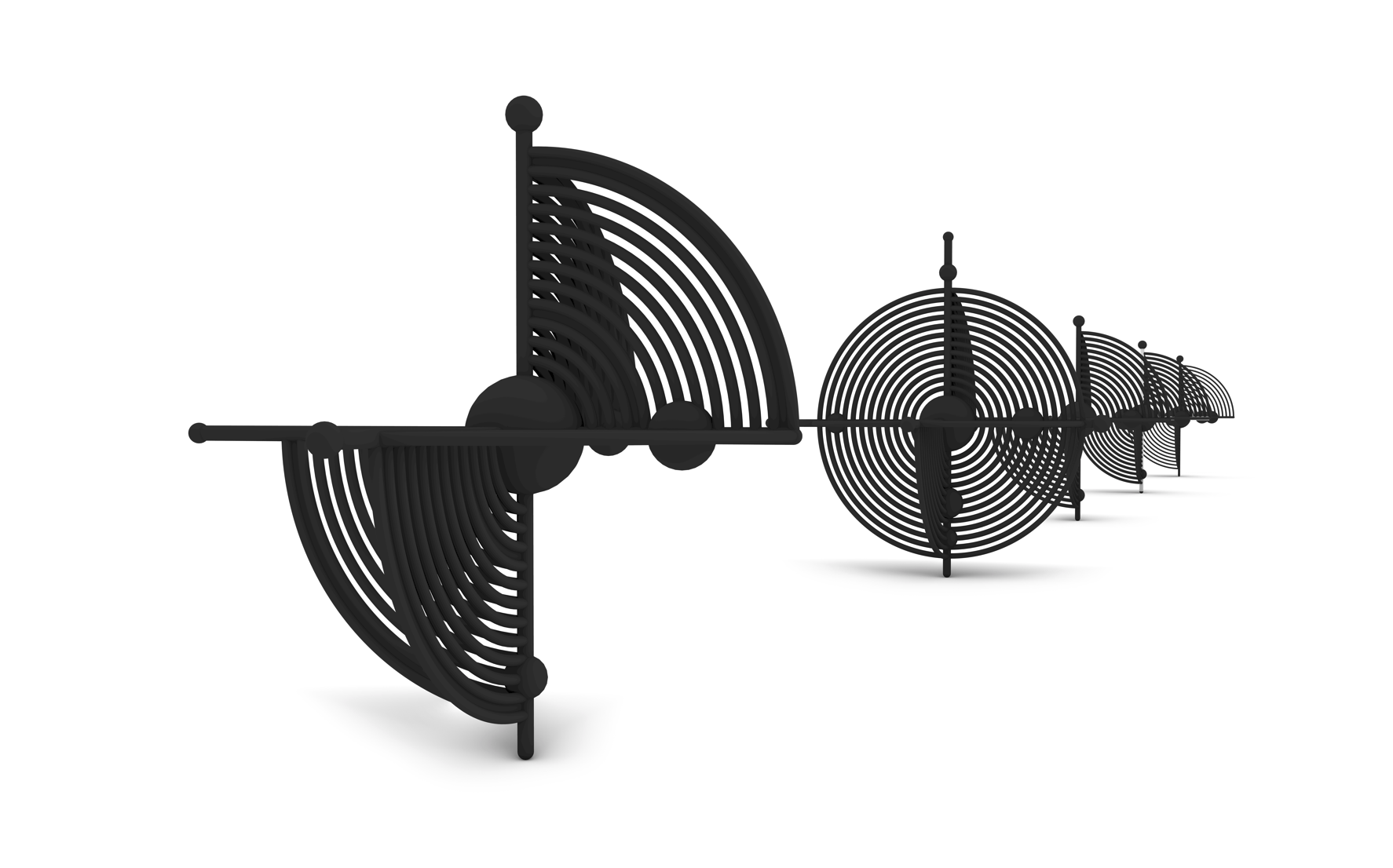
Early models
The Myth of the "Final" Form
I tell my students all the time: "Always expect changes; there is no such thing as the final design."
It is a horrible comment to hear, especially if you are a student right before the end of the term. Yet, I truly believe it. In every design, there is room for improvement. If a design seems flawless, perhaps you just haven't looked hard enough.
In architecture, with tight budgets and crazy schedules, we know a project cannot be "perfect." We simply make sure the essential requirements are as close to the vision as possible, making swift, decisive calls in the moment.
I do not believe in the "Final Form." I believe every design has an expiration date. In architecture, that date might be longer than a carton of milk, but it exists nonetheless.
The version you see at Songeun is simply the survivor of a rigorous process. It carries the DNA of all those failed 3D prints, the fidget spinner concepts, and the Black 4.0 experiments. It is the smallest object I have ever worked on, but it required the most intense focus I have given to a project in a long time.
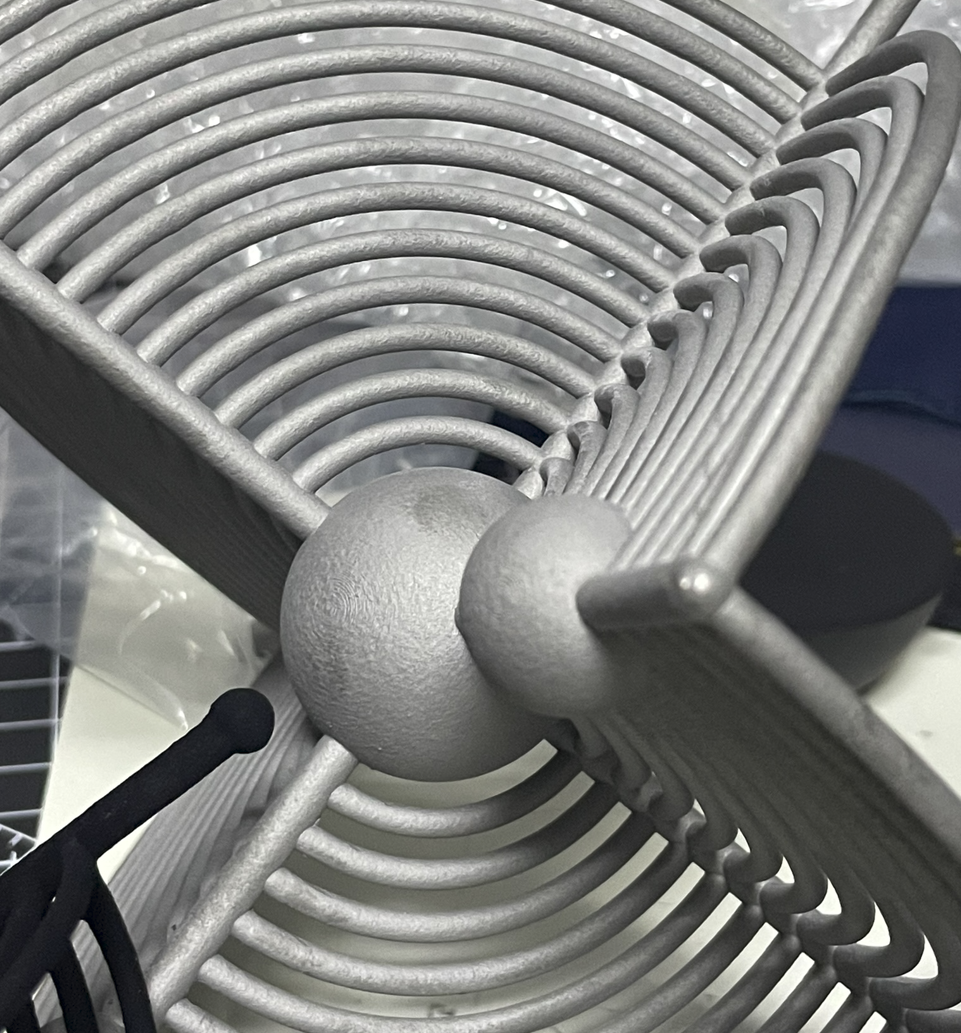
Prototype and test of materials
Scaling Up for 2026
I am clearing these prototypes off my desk now. It was a refreshing exercise to obsess over micro-details—almost like a meditation.
But I admit, I am ready to zoom out again.
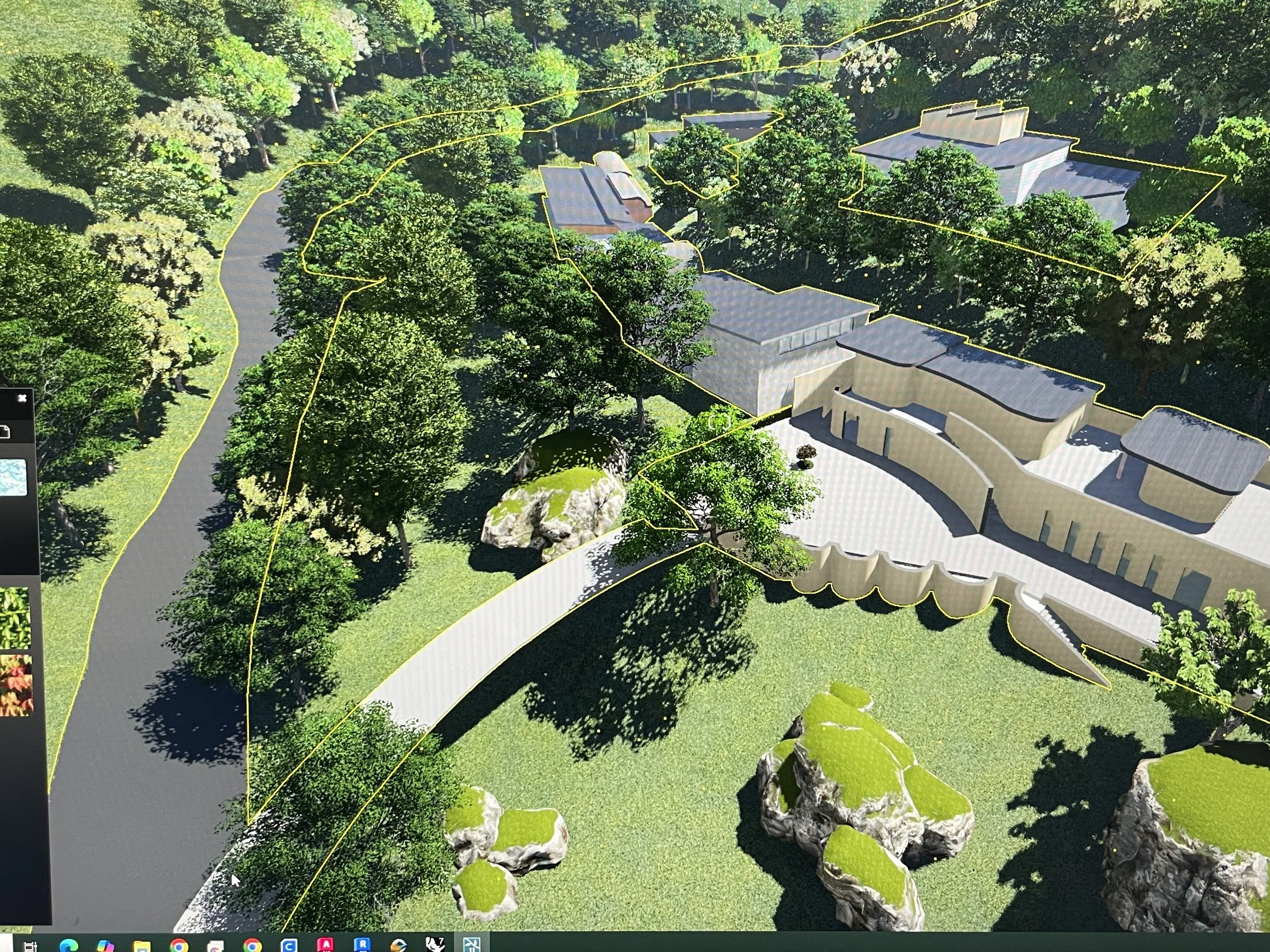
We have a project that has been quietly simmering for over a year—something much larger than a paperweight, involving actual walls and real gravity rather than just the cognitive kind. I look forward to sharing that change in scale with you in the New Year.
For now, thank you for following the journey of this tiny, heavy thing.
With all best wishes, and a very Happy New Year.
Upcoming project
Post-Market: A Sunday of Unexpected Visitors
It is Tuesday evening, and the adrenaline from the weekend is finally settling down.
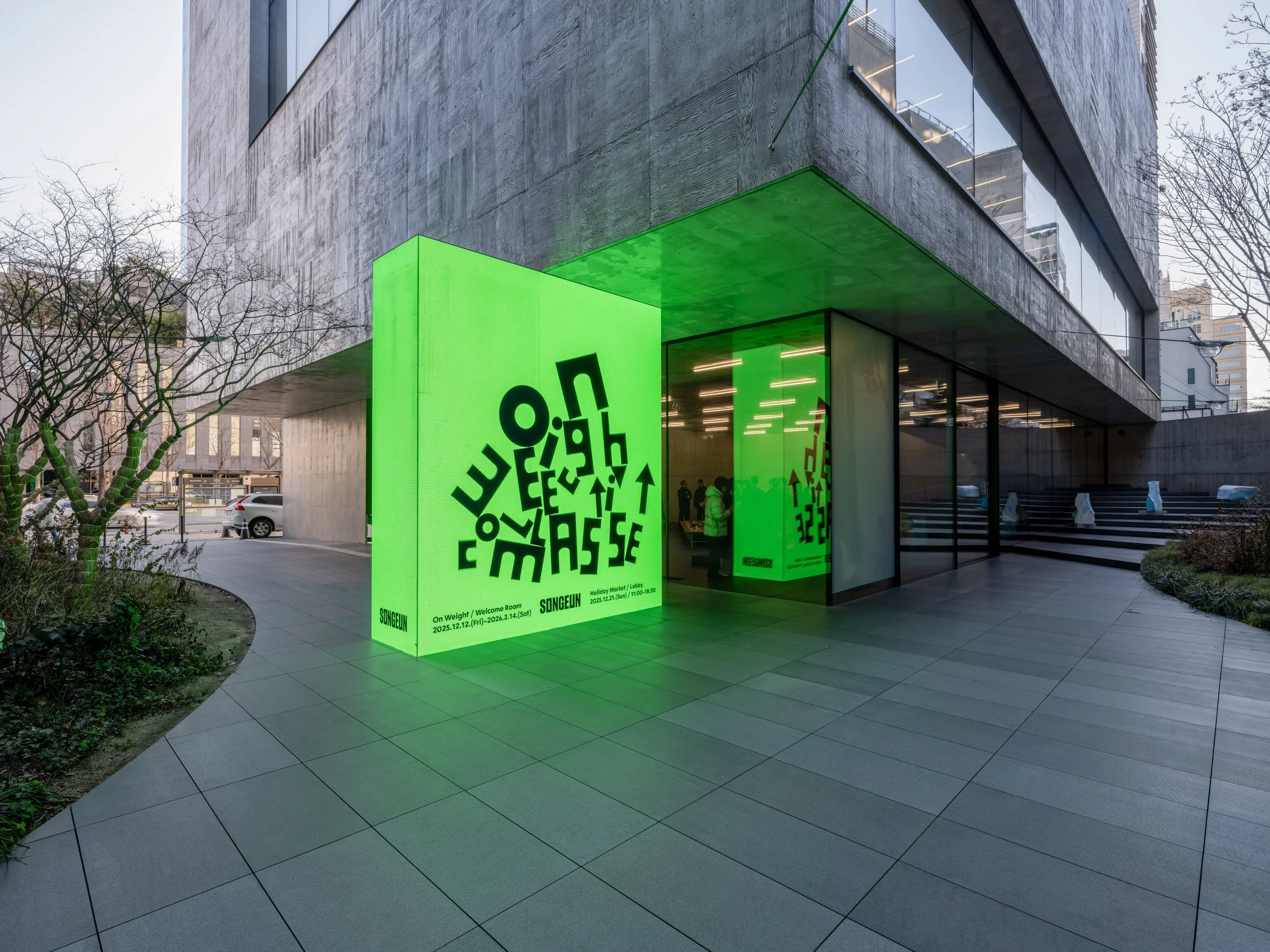
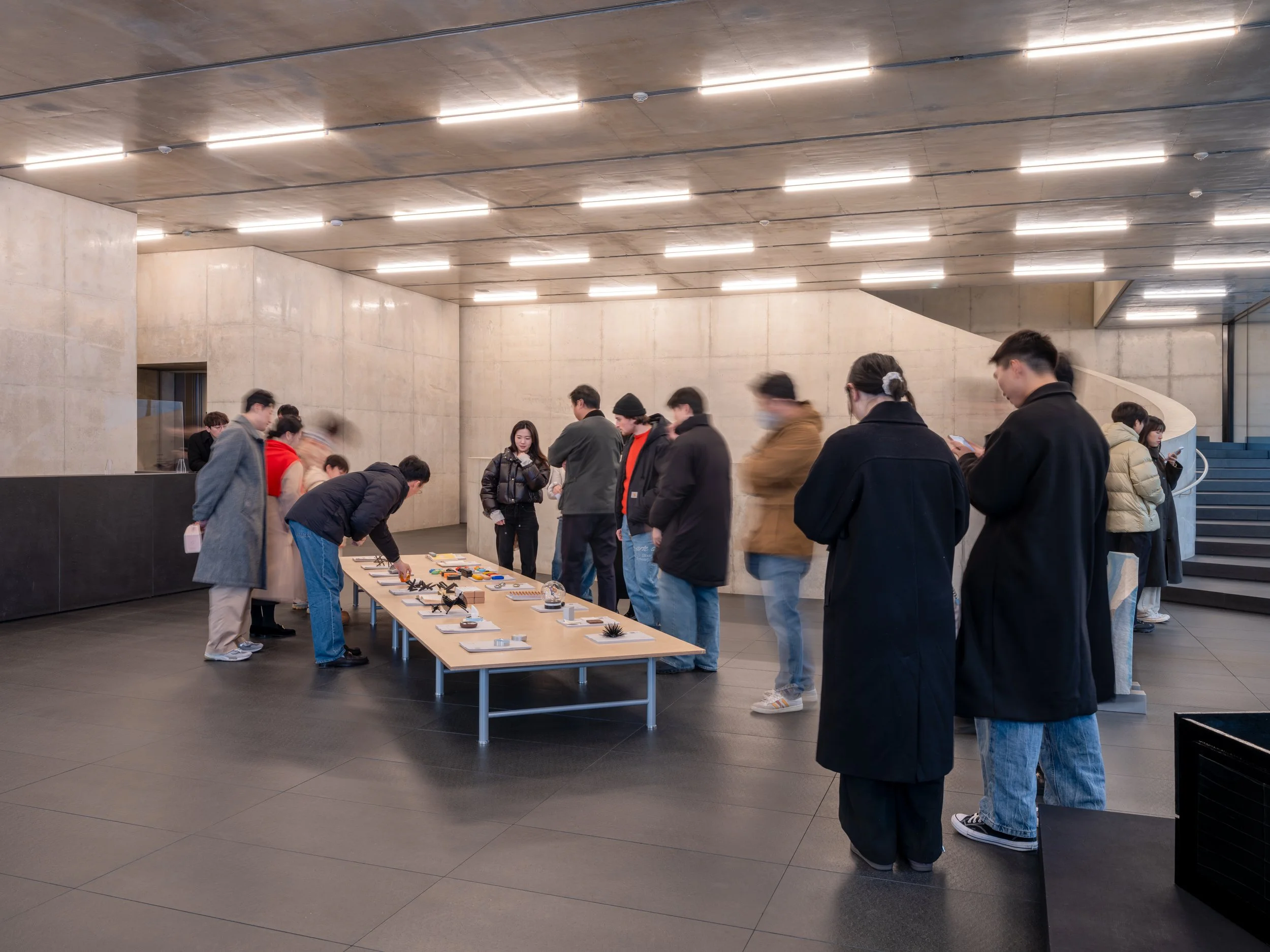
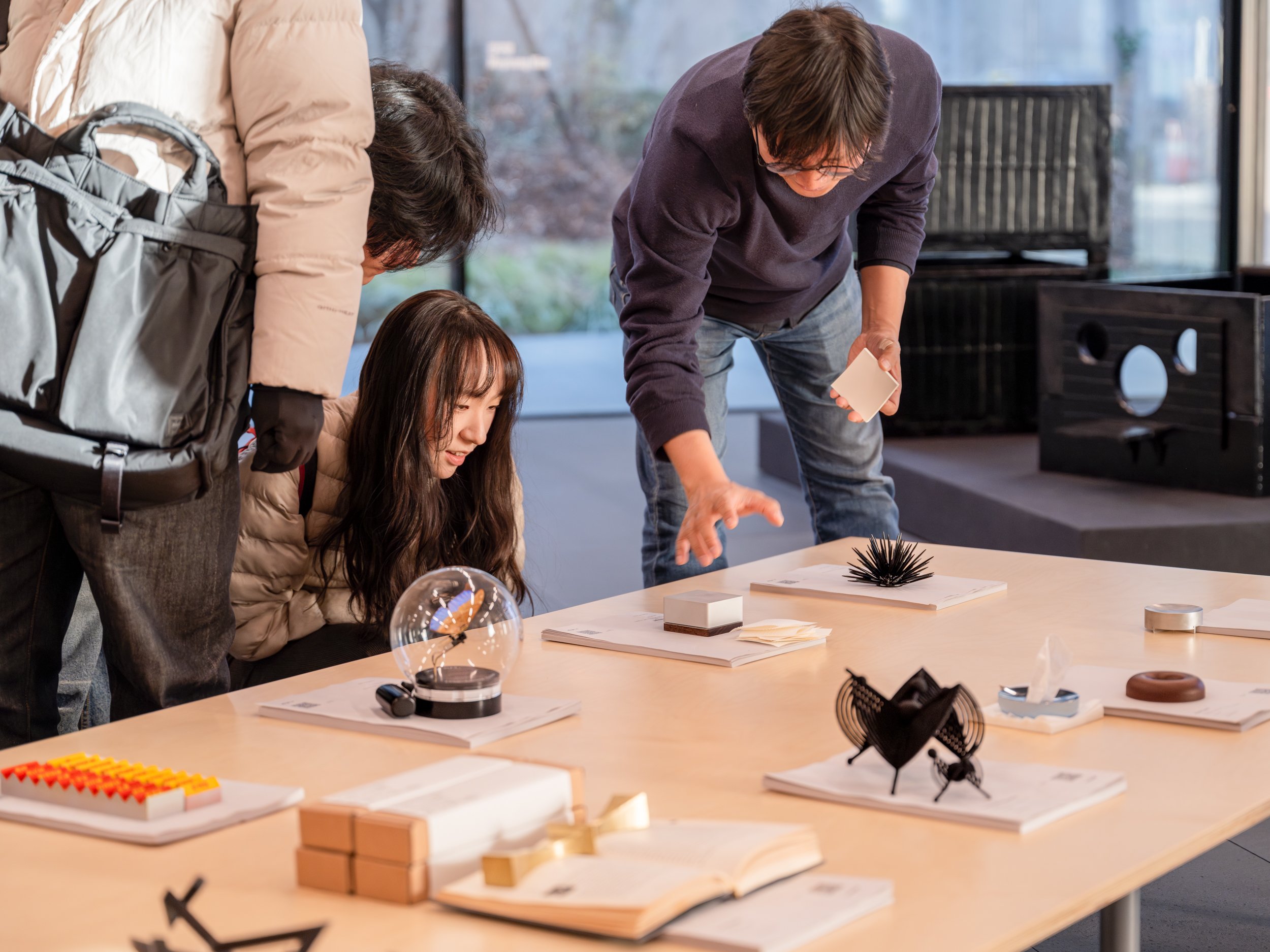
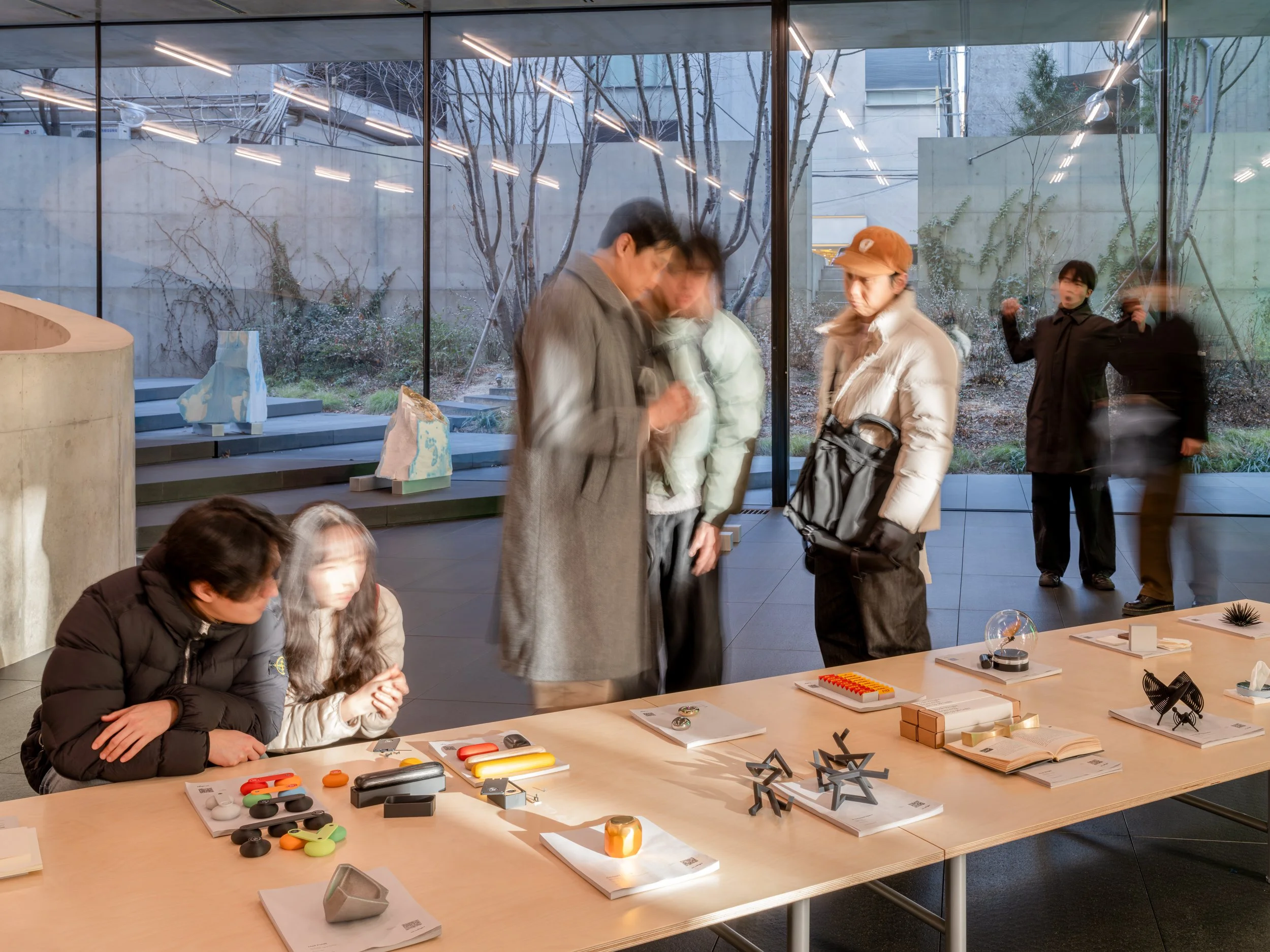
This past Sunday, December 21st, was the Holiday Market at Songeun.
To be honest, standing behind a table to present your work is a very different experience from presenting a design to a client or lecturing in a classroom. In architecture, you usually have big screens, ideally some physical models, and a buffer of distance. At a market, you are just... there. Standing. Hopefully not alone.
You are completely exposed. Waiting to see if anyone connects with this small object you’ve spent months agonizing over.
But the day turned out to be less about "selling" and more about "connecting."
The Surprise Guests
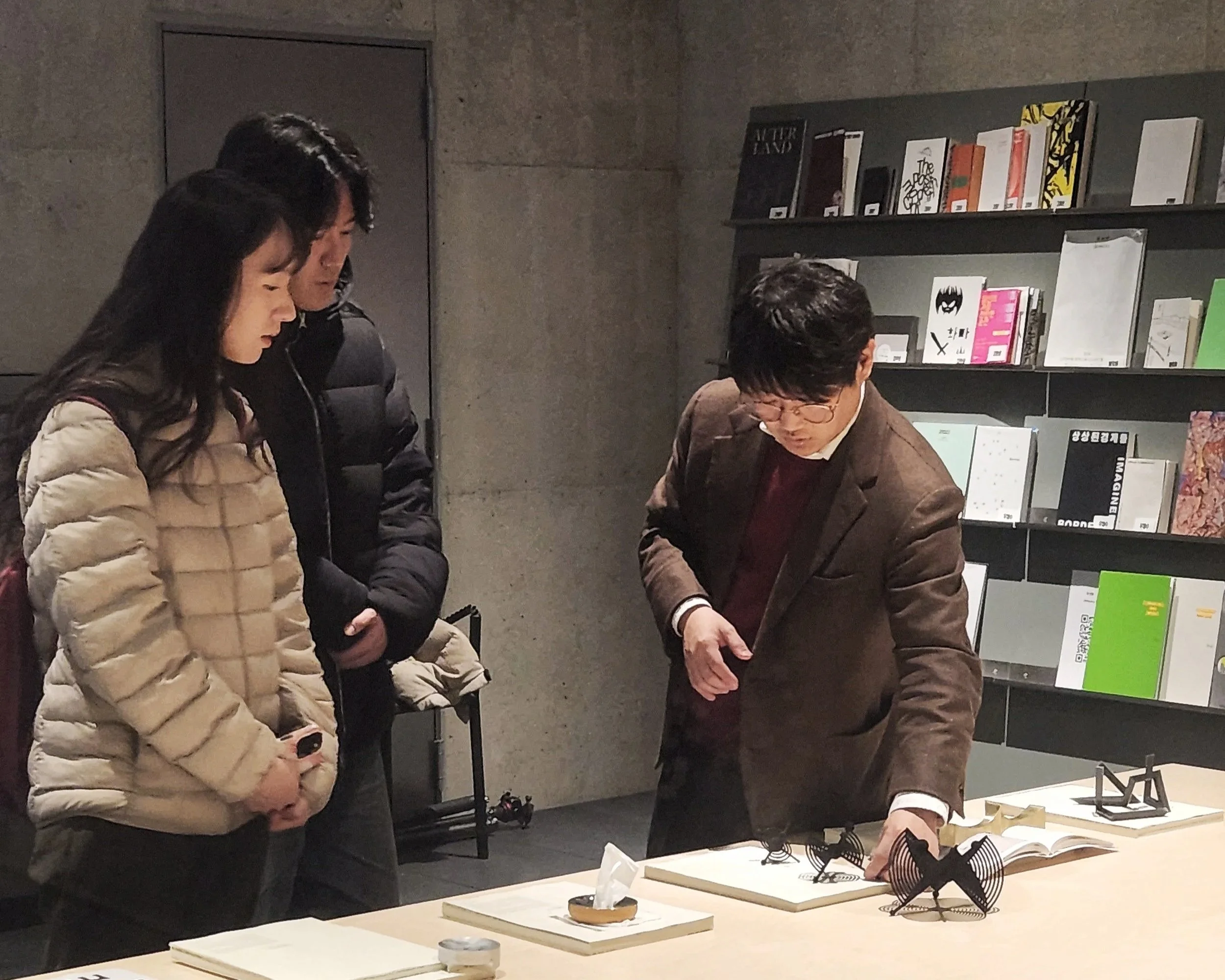
The highlight of the day was the faces.
I was genuinely grateful for everyone who stopped by the booth to say hello—asking if I was the one behind this tiny piece, asking about the lines of circulation on the paperweights, or just chatting about how cold it is outside.
But the biggest surprise was seeing my students.
A few of the "bright young lads" I mentioned in my last post actually came along.
One of my former students even arrived at the venue earlier than I did. (To be fair, I was running on very little sleep after staying late to set up the tables the night before).
It is a strange and wonderful feeling to have the tables turned.
Usually, I am the one standing over their desks, critiquing their designs and questioning their logic. This Sunday, they were the ones looking at my work.
Seeing them outside the university, in the context of a real-world exhibition, was a moment I won’t forget. It reminded me that we are all just navigating this same industry, trying to make things that matter. (They seemed to approve of the design... or perhaps they were just too polite to say otherwise.)Moving Forward
The Holiday Market is over, and the paperweights have found their new owners.
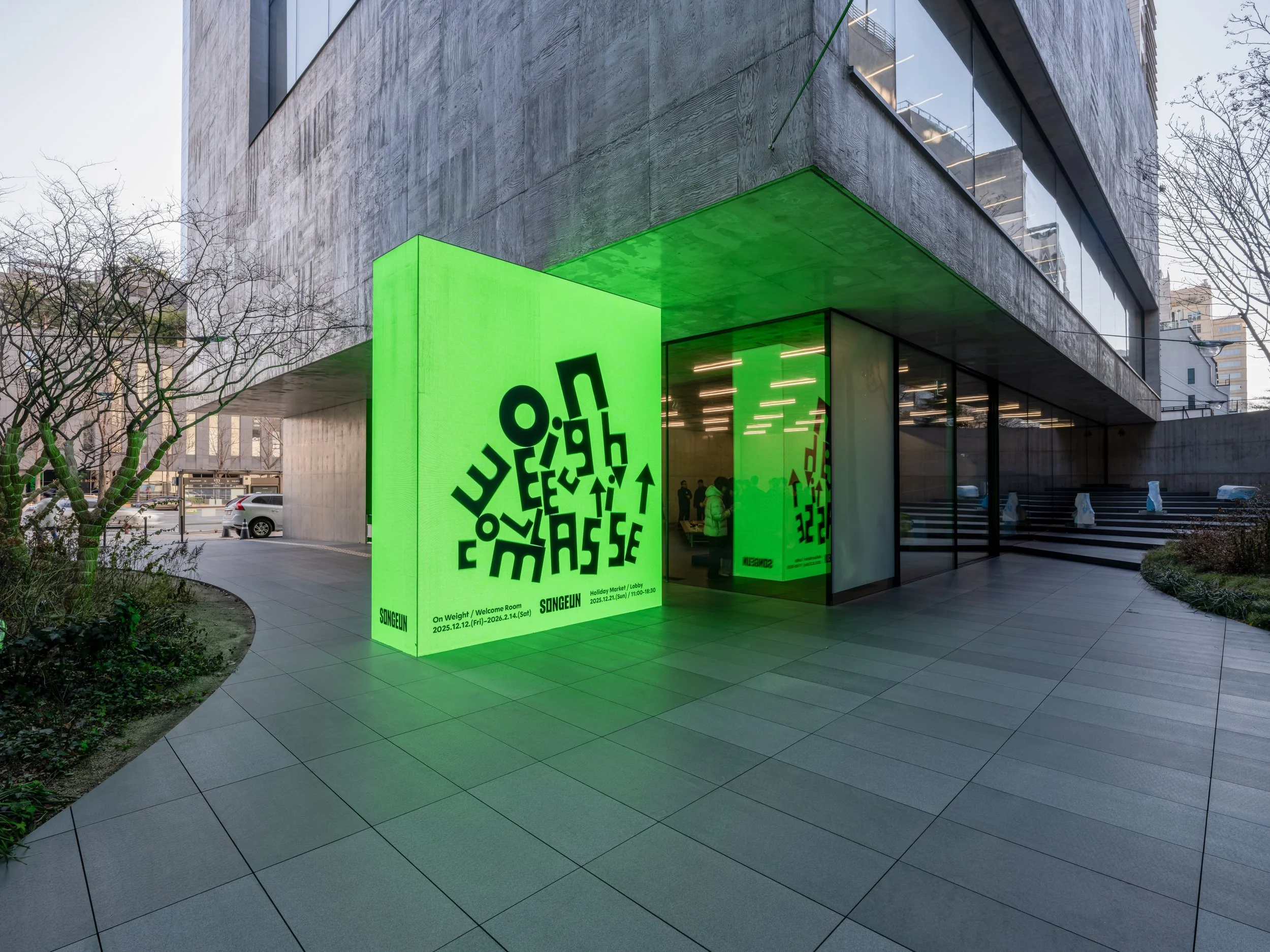
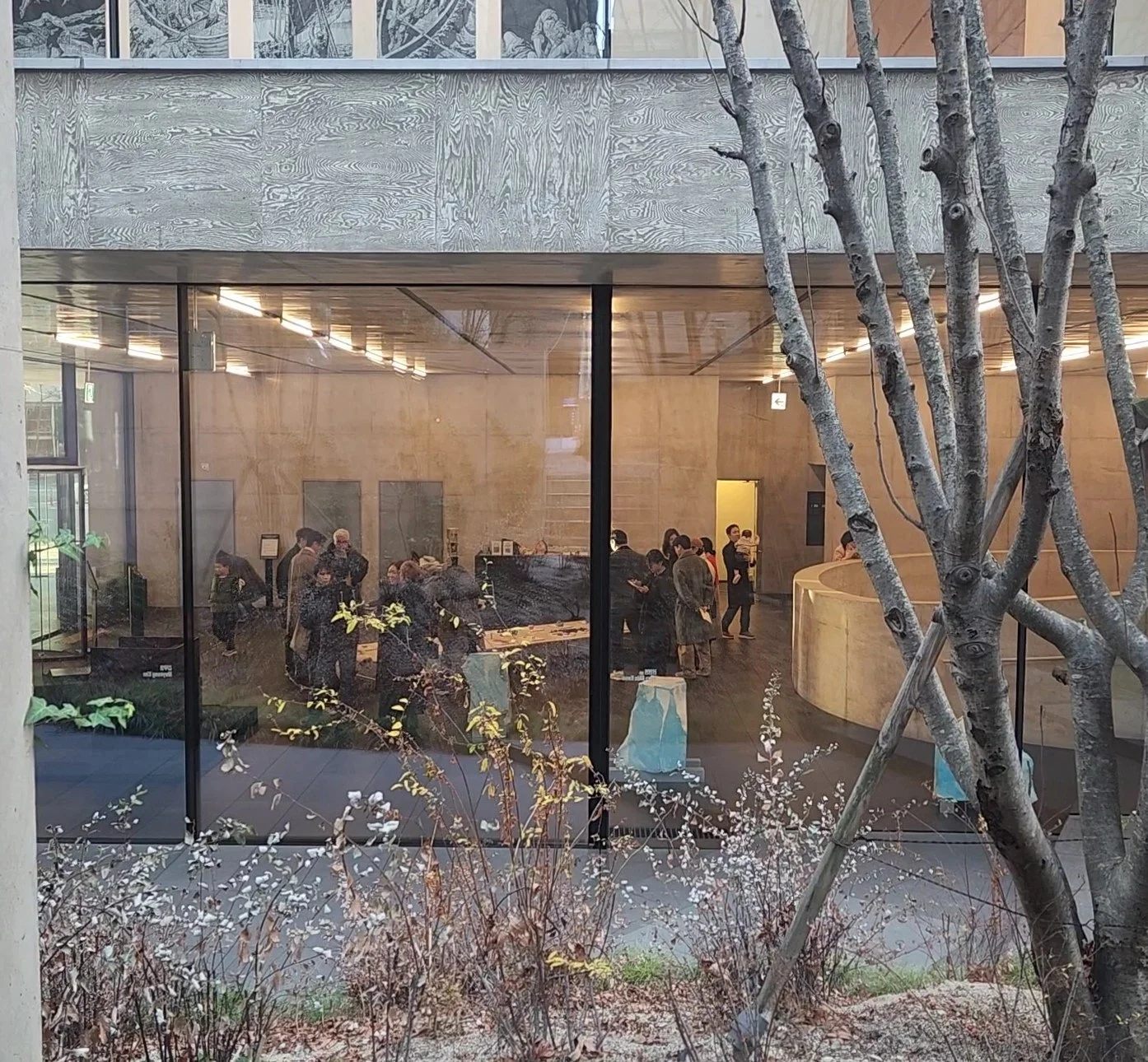
For those who missed the market, the exhibition <On Weight> is still running in the Welcome Room until February 14th. Make sure you experience the amazing space designed by Herzog & de Meuron.
Thank you to everyone who made this Sunday warm, despite the winter chill.
Gravity, Architecture, and a Tiny Little Piece of Weight
I’ve been wondering how to introduce this blog. Should I write a grand manifesto? Perhaps lay the first foundation stone of how we began? 김태혁
Film shoot at NIVL Studio
I’ve been wondering how to introduce this blog.
Should I write a grand manifesto?
Perhaps lay the first foundation stone of how we began?
But at this moment, there is nothing grand. No corner office, no headquarters. I am actually writing this draft in the library of the university where I teach. I don't even have a proper office at the moment. I mean, I could, but I don't see the point of it right now.
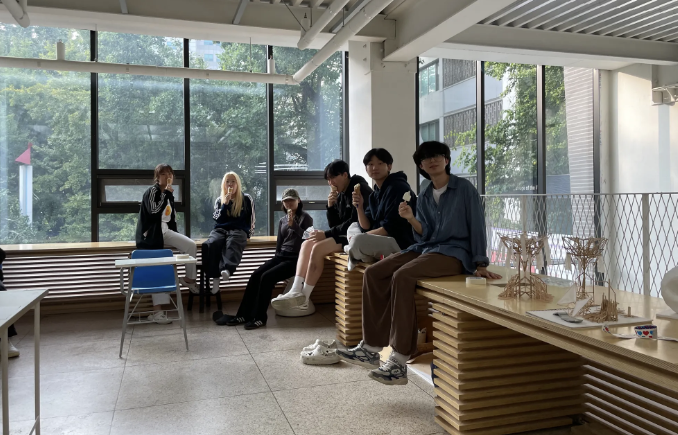
Some of my first year students.
I am just doing what I can for now. I am actually thankful for my teaching job. I love the kids—maybe not all of them, but most of them. They are bright young lads who have few concerns about the future but are full of excitement. I am also grateful for the current project I am working on. Sooner or later, I will be talking about that particular project (which I have actually been working on for more than a year now) in another post.
In the end, I decided to bypass the formal introductions and start with where I am right now—literally.
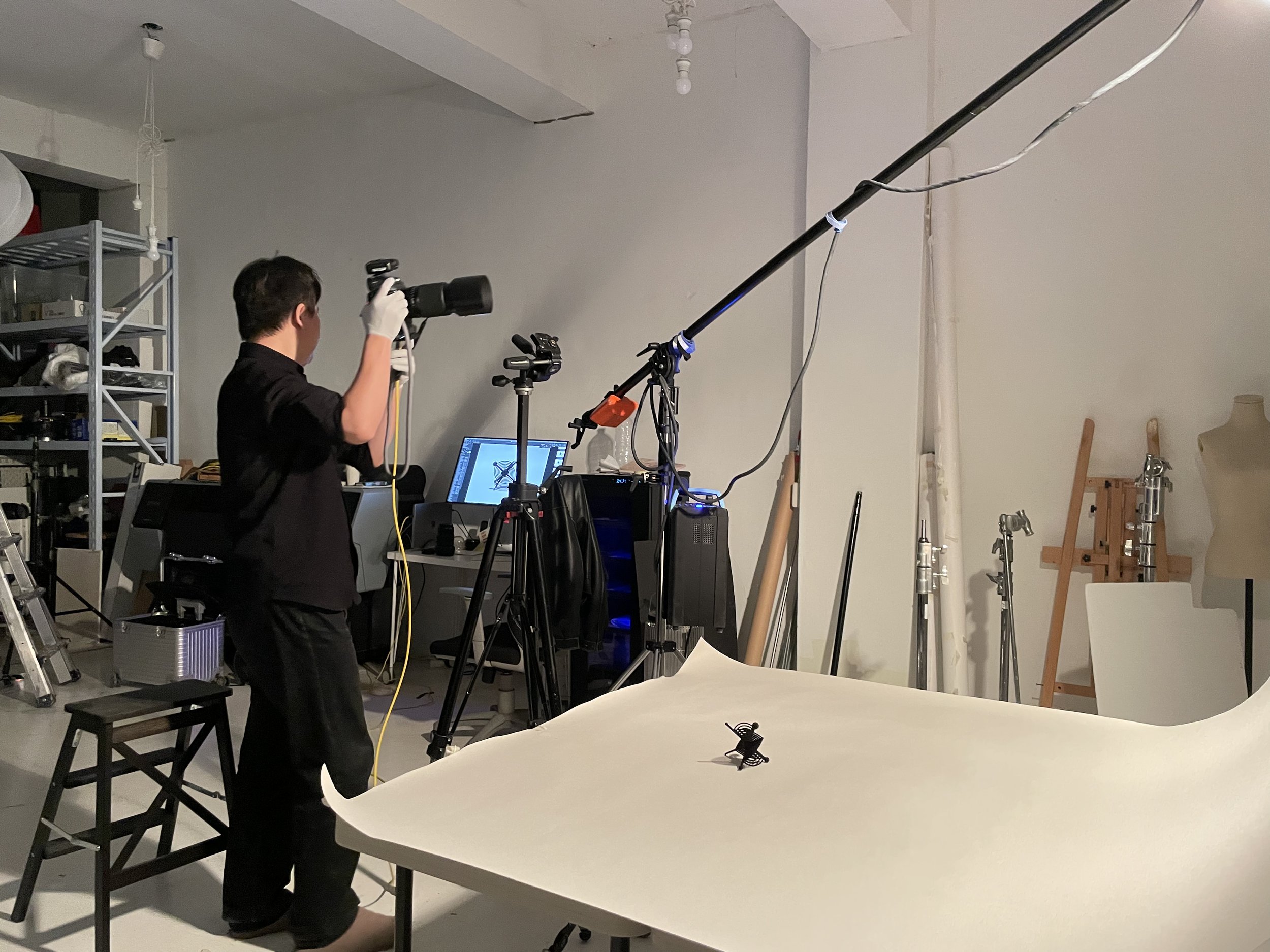
Special thanks to Park Yoon Studio for Art (www.parkyoon.com)
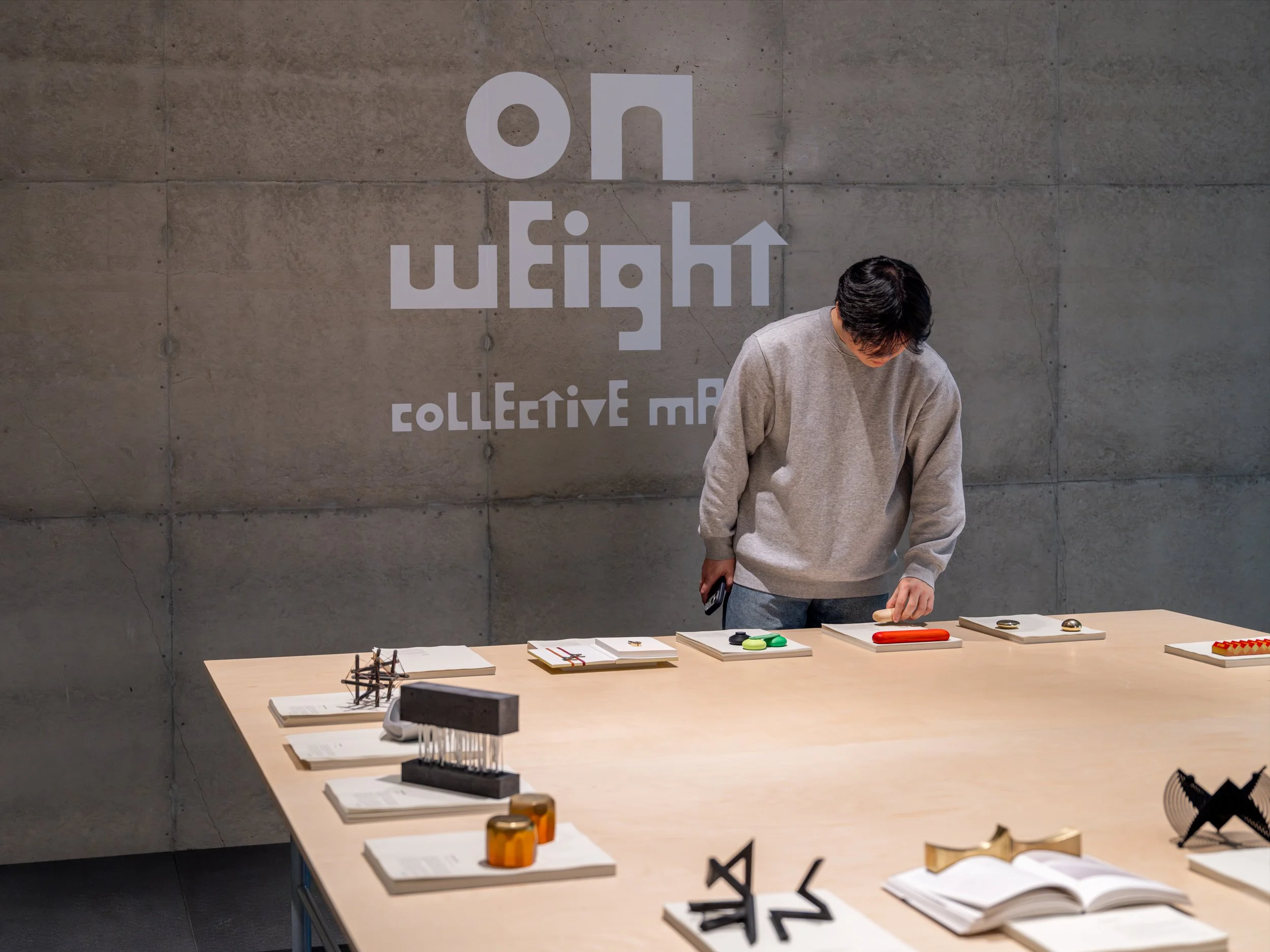
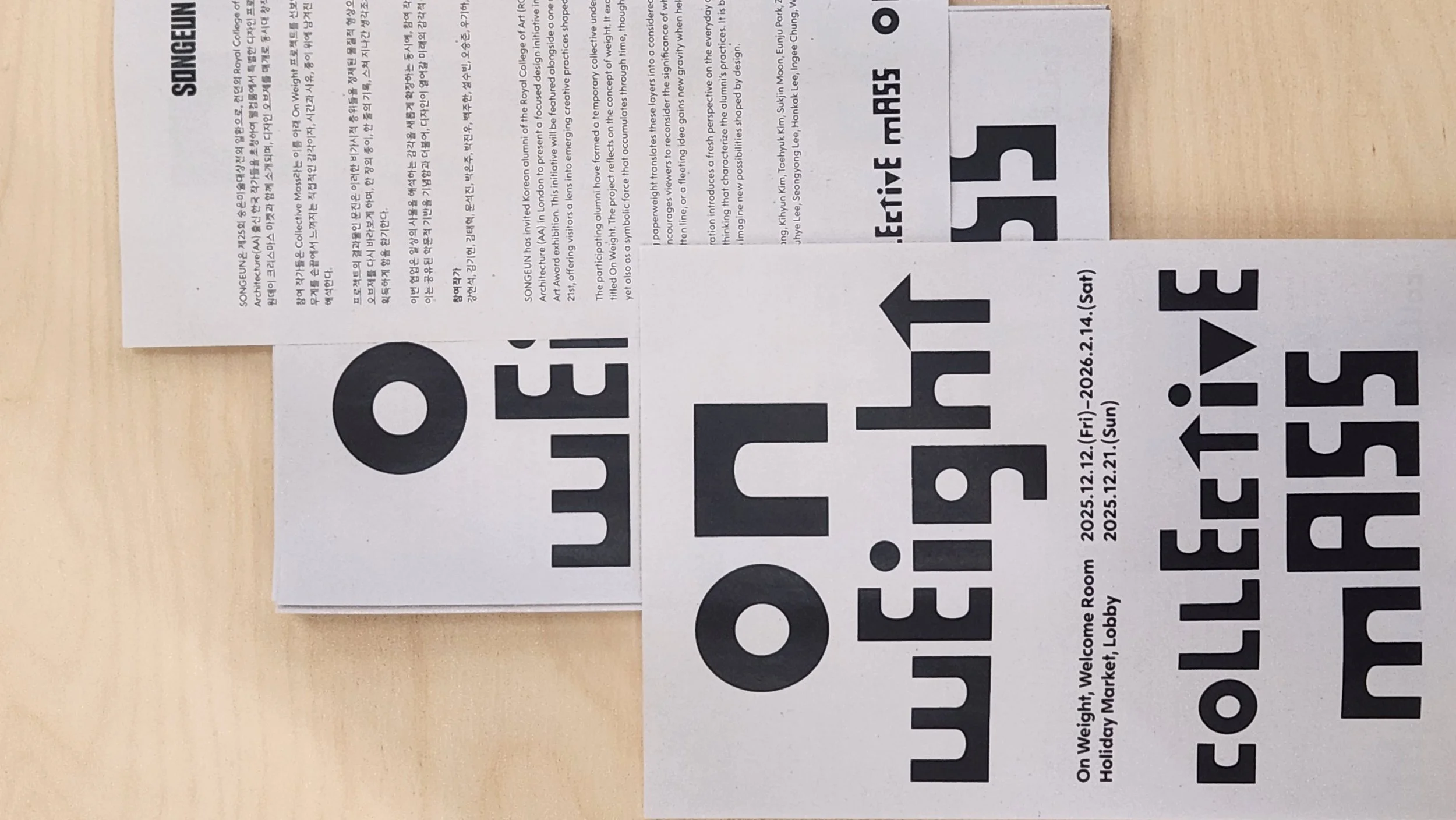
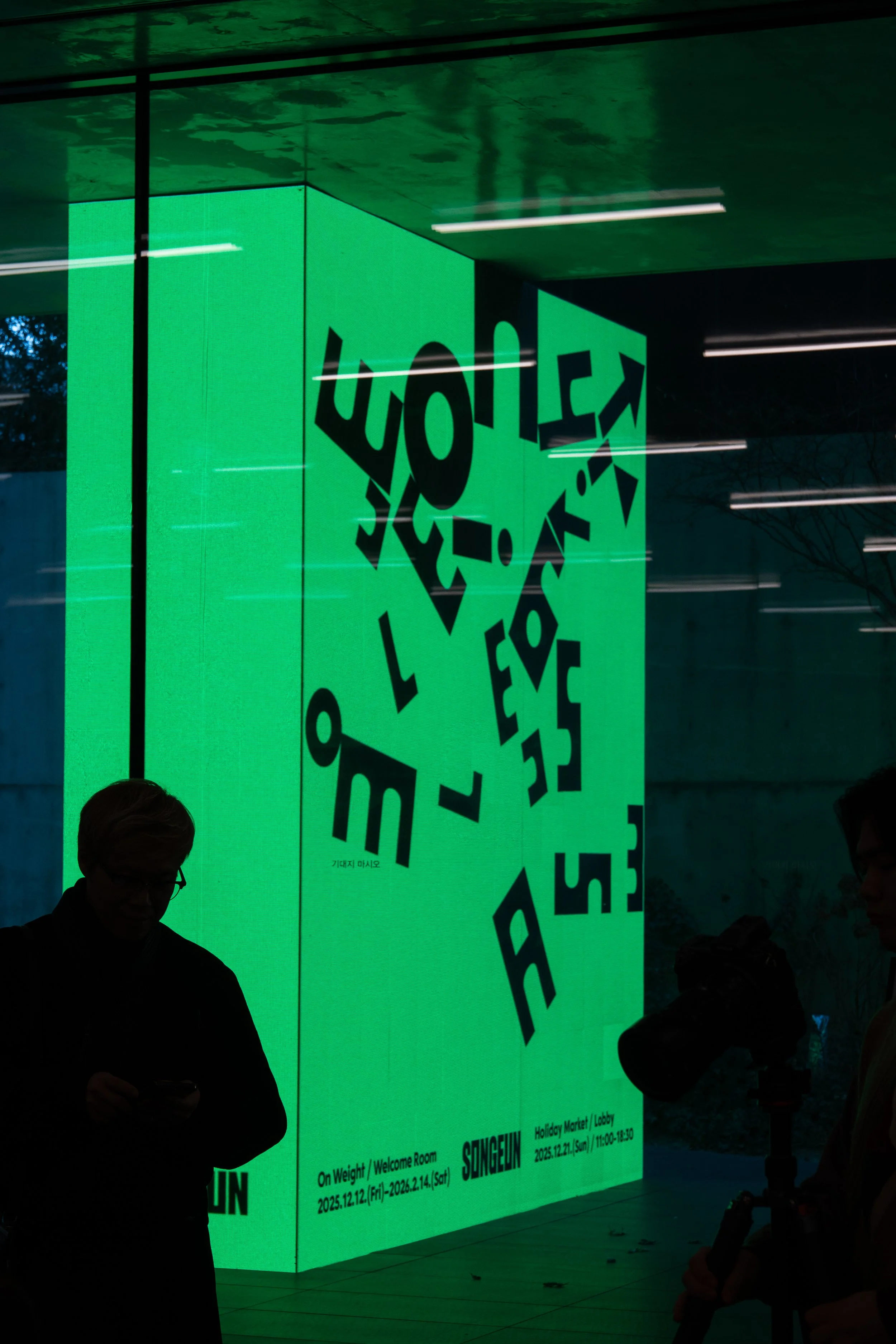
This week, I have the privilege of exhibiting a piece at SONGEUN Art Space in Cheongdam. It is part of a special design project called <Collectice Mass>, running alongside the 25th Songeun Art Award. The exhibition brings together alumni from the RCA (Royal College of Art) and the AA (Architectural Association School of Architecture) to explore the concept of "weight" in the Welcome Room.
In short, I made a paperweight.
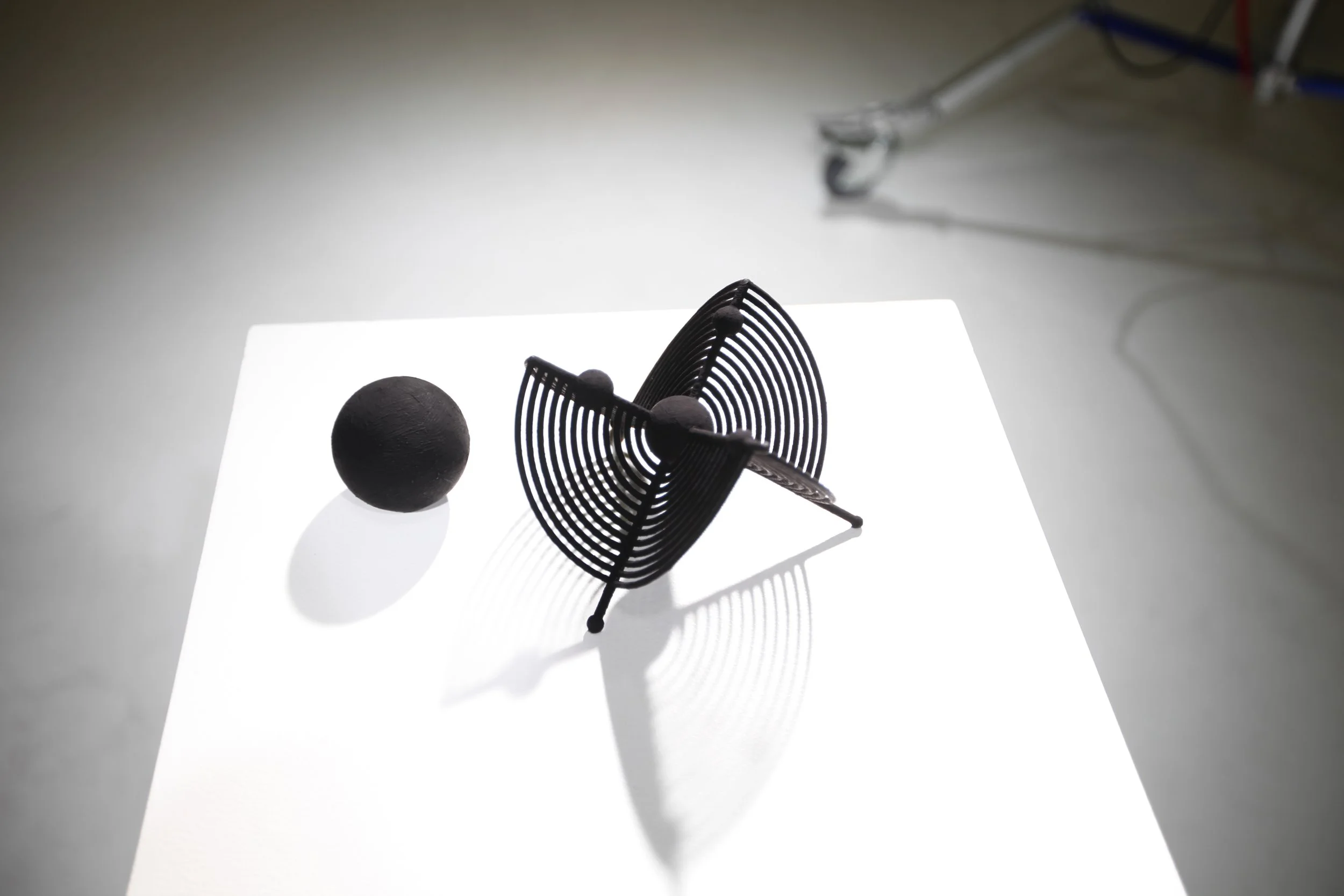
The Tiny Little Piece
It is just a piece that is smaller than my DSLR camera. Probably even smaller than my iPad.
Although this piece was so... so bloody small compared to any other designs I have done before, it was very challenging. I often talk to my students about the moment where architecture meets the user—that is the special moment. Where material meets human, where the true spatial stories begin.
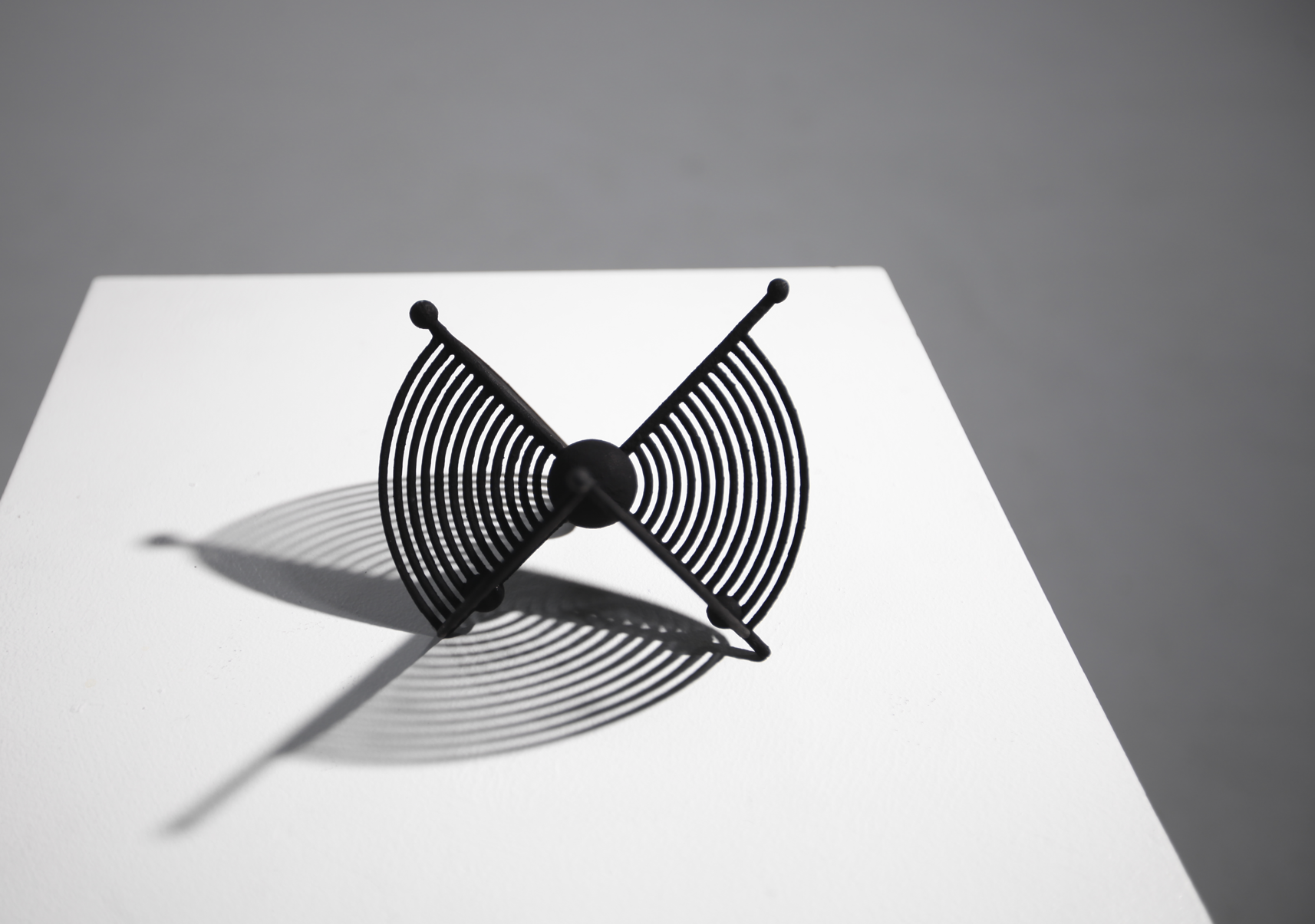
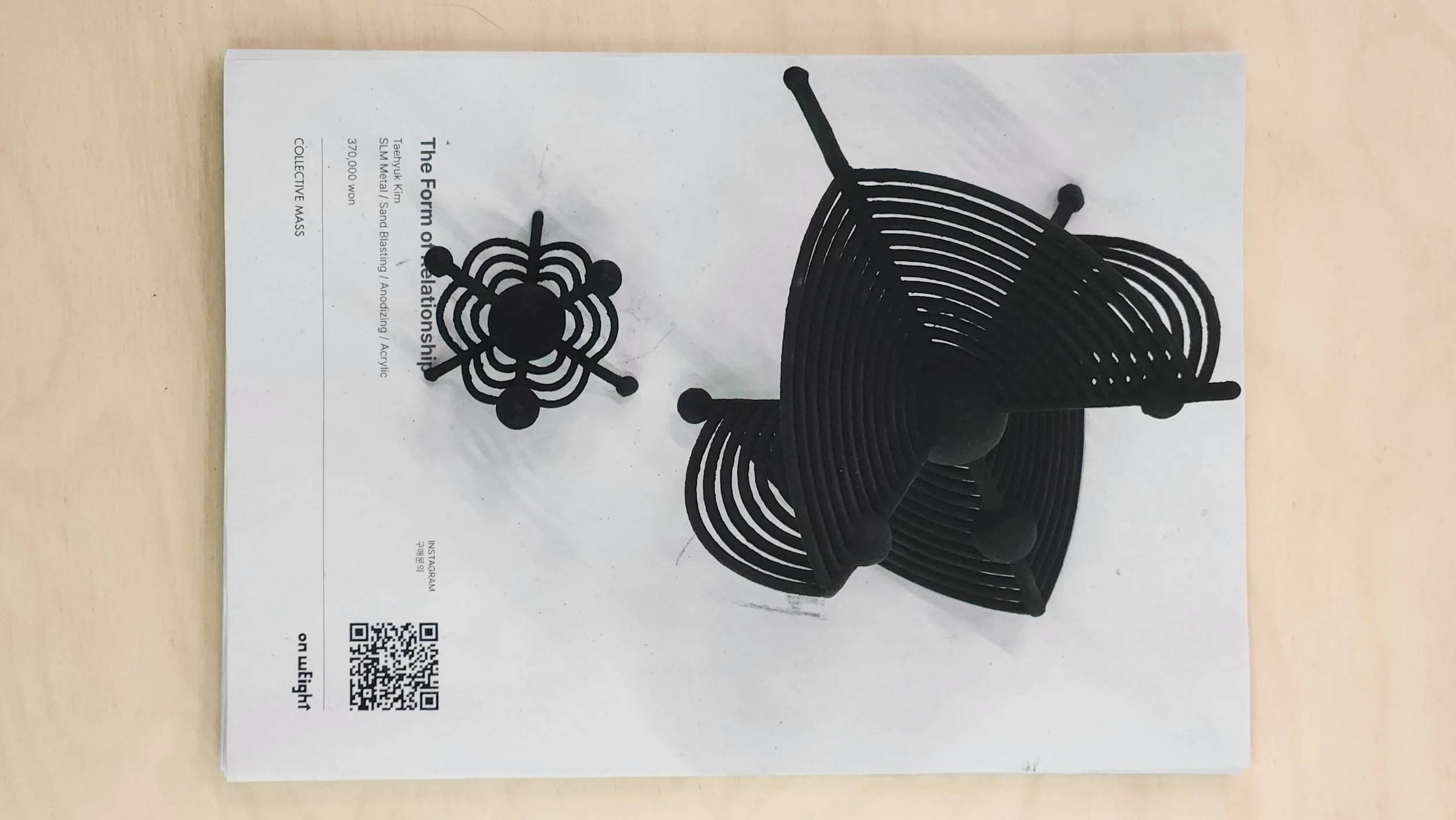
Original: Form of Relationship
This little object was all about how it is perceived by a human. To be touched, to be played with. To hold the weight against the wind or perhaps a bored cat at home. Creating something so close to the human scale was hard. At first, I wanted to create something that could move like a little gadget. But once I figured out I was supposed to actually sell this thing at the Songeun Holiday Market on the 21st of December, I had to make major adjustments (I redesigned the whole thing several times, to be frank).
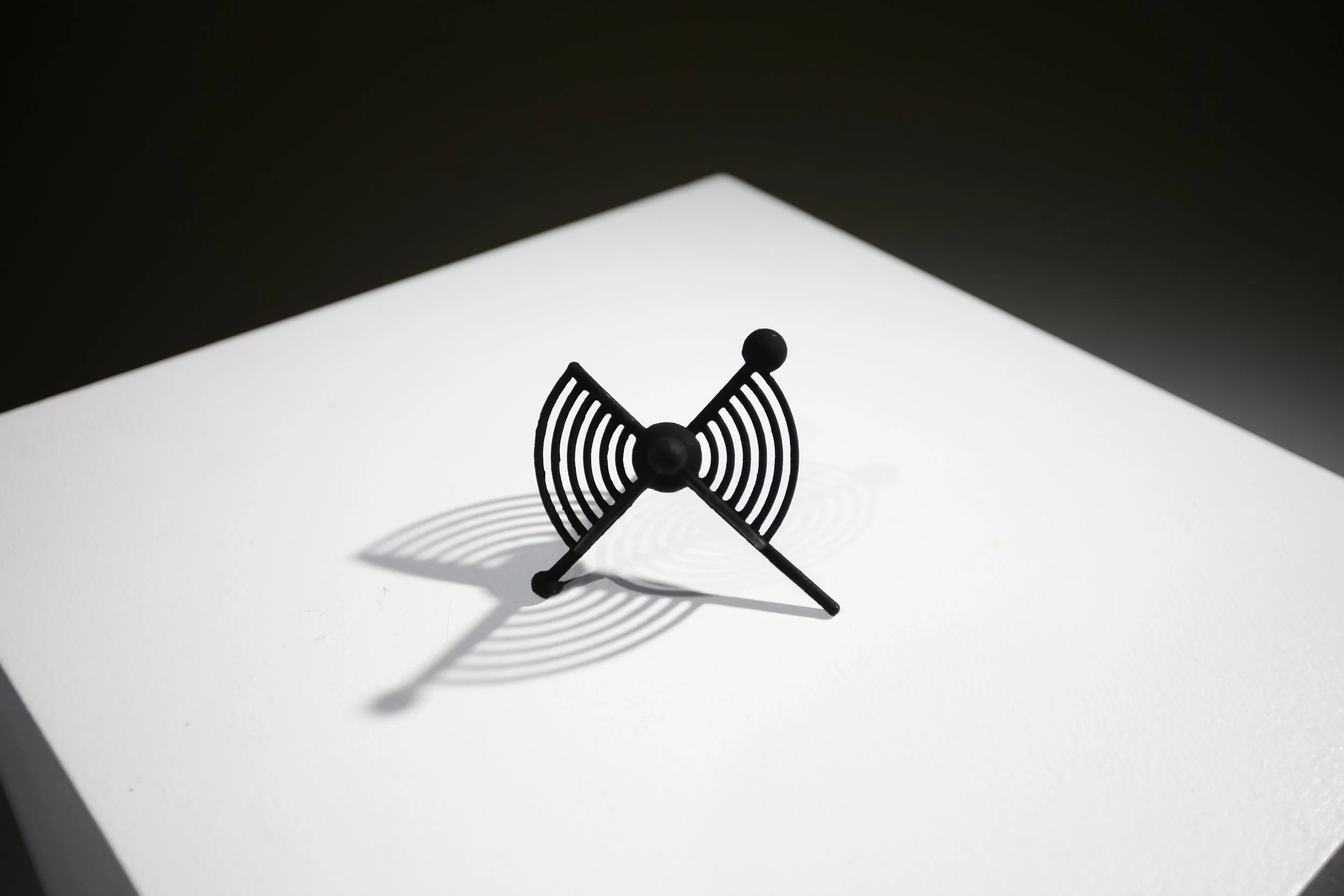
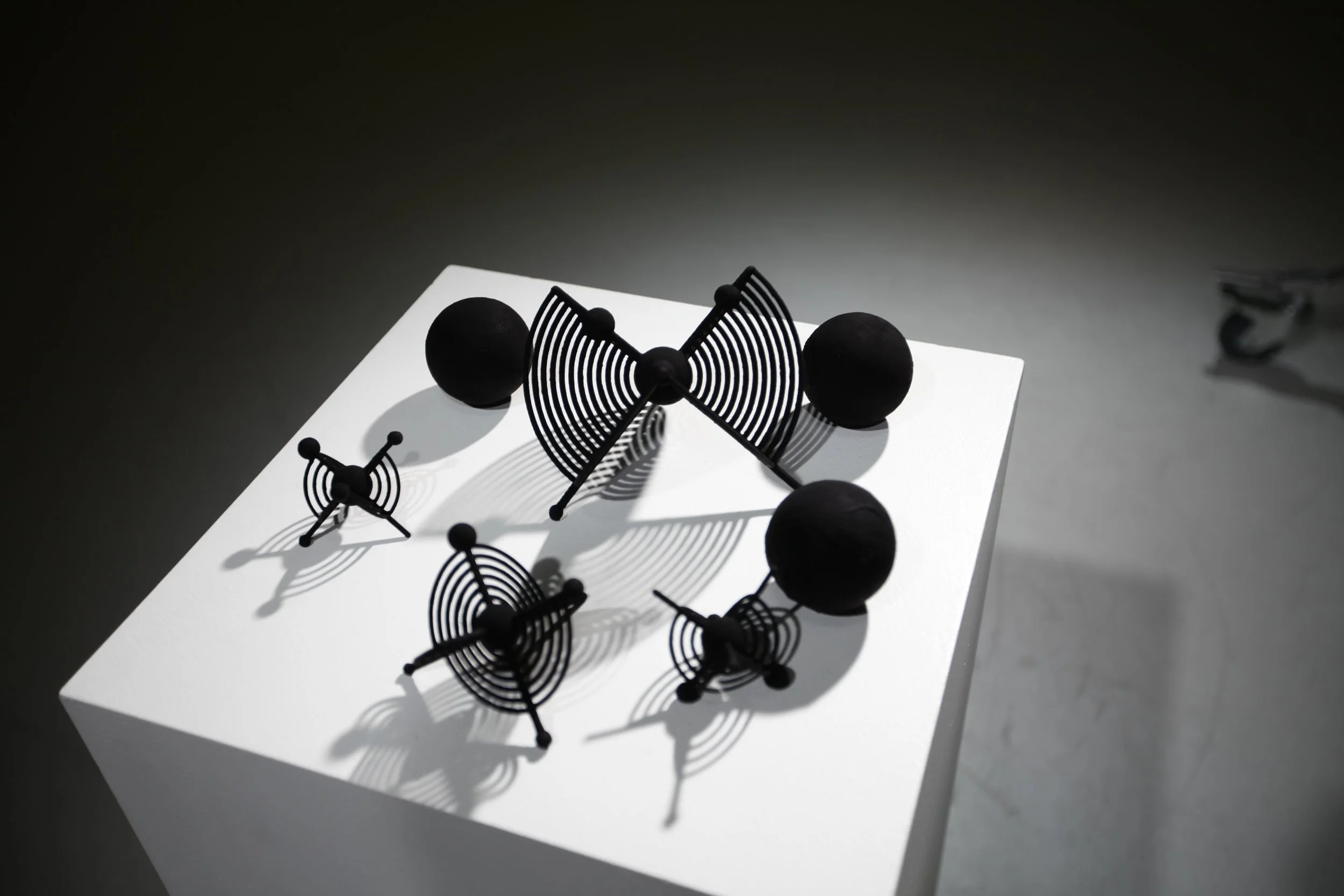
Medium: Form of Relationship
In the end, I am surprisingly happy with the final design. It is... different. Very different from all my past design works. I mean, yes, the scale is completely different because I have been designing buildings and masterplans. But the method and the approach have been drastically different. I do not know if I will ever have this chance again—to design something very self-aware, detached from client needs or building regulations.
However, I did want it to be somewhat architectural. Among all the high-profile designers, I wanted to suggest something different. If you look at the piece, it is probably hard to tell that it has anything to do with architecture. But it does. At least I think so.
In architecture, we often talk about 'circulation'—the way people move through space. I wanted to capture that invisible route in a small object. These delicate lines of circulation on the object could be paths yet to be taken or paths already traversed—just like this company itself.
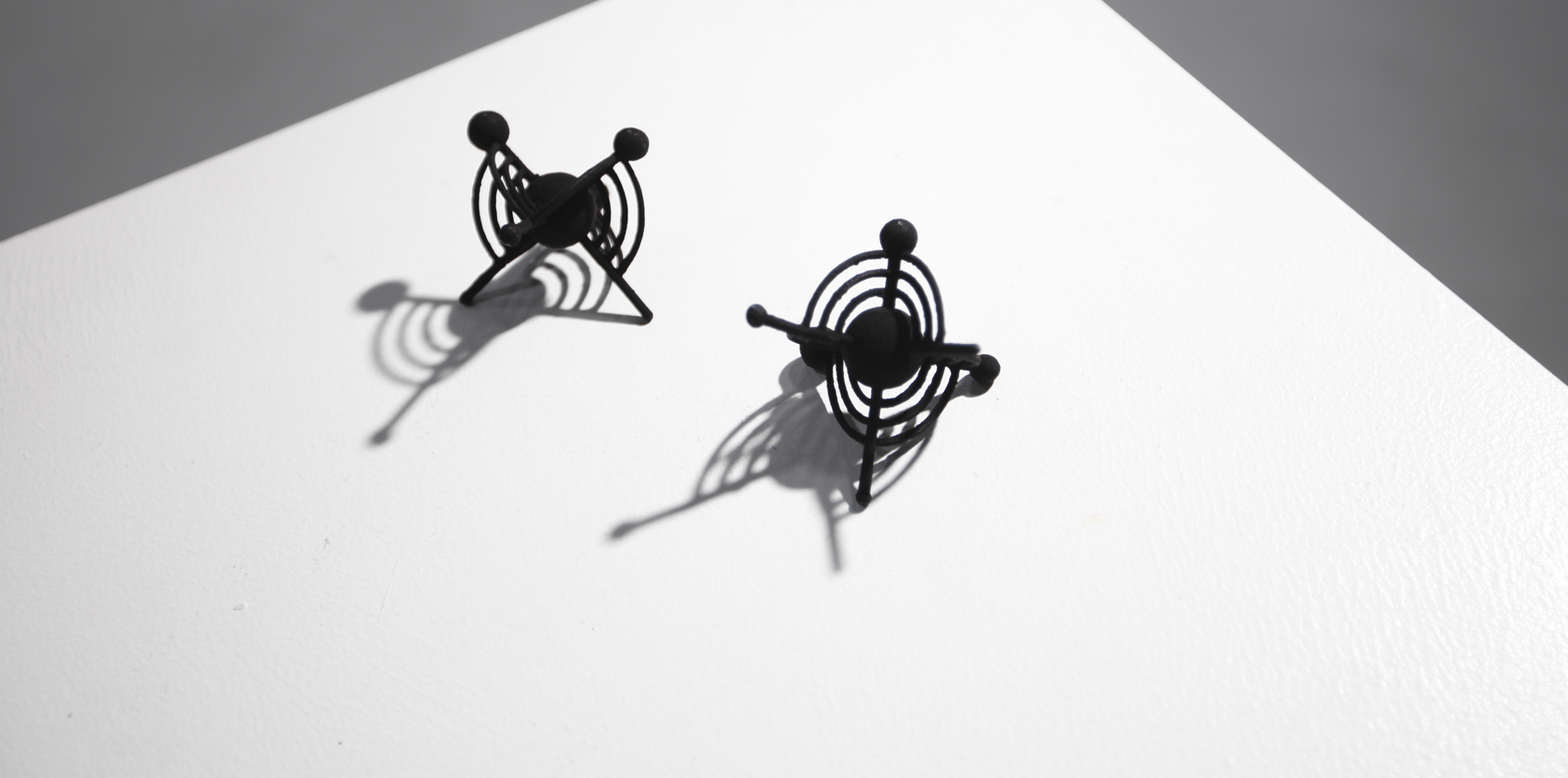
Small: Form of Relationship
As I officially launch Fakeprintshop, this sentiment feels relevant. I wish to believe we are standing at the contact point of a new trajectory, ready to explore those paths yet to be taken. I hope this paperweight is a reminder of the balance we aim to keep—grounded, but always moving.
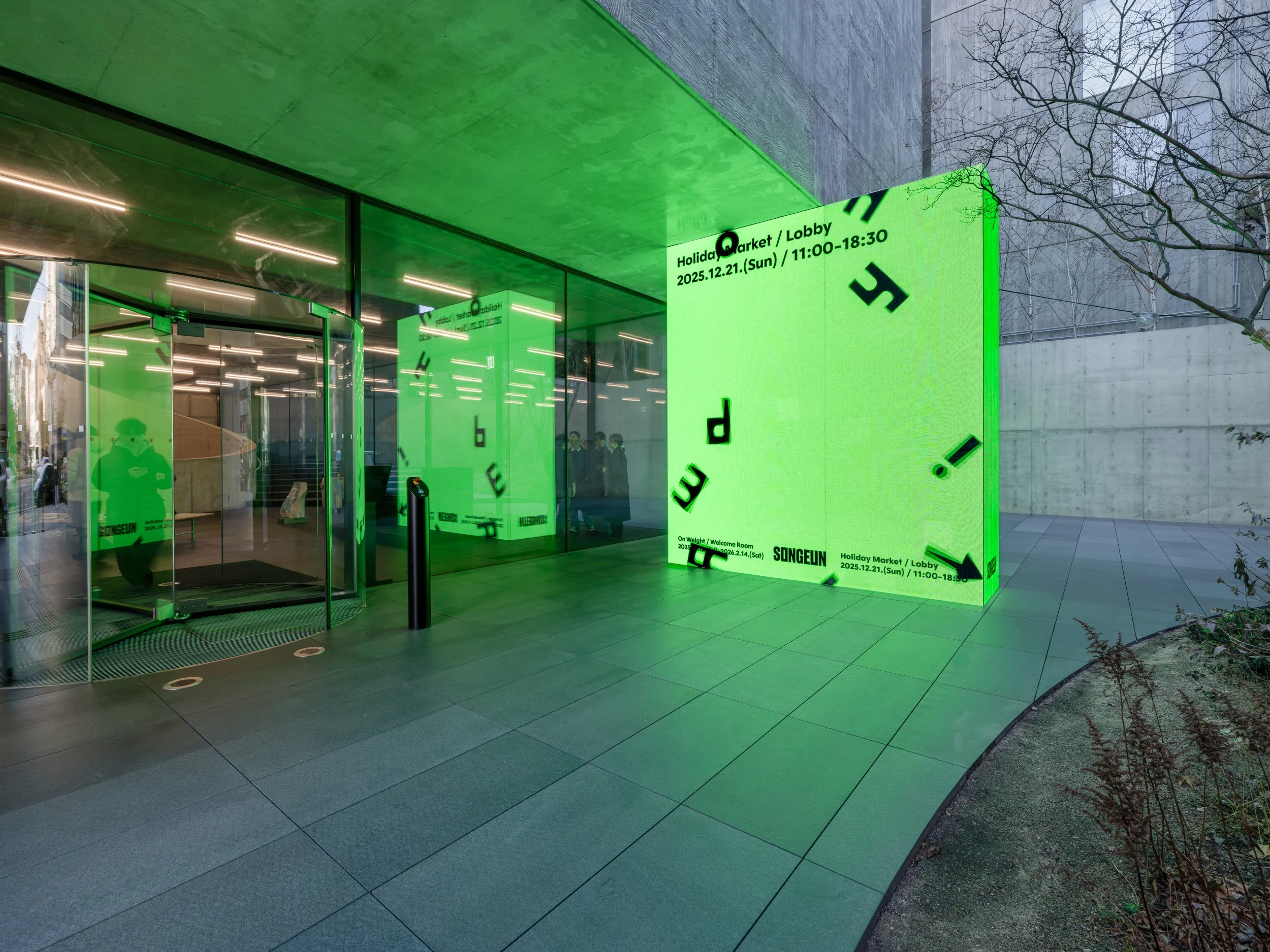
If you happen to be in Seoul, I’d love for you to stop by. The exhibition runs until February, but there is a special Holiday Market happening this Sunday, December 21st, where you can see the works from all the participating artists.
It’s a great excuse to see the Herzog & de Meuron building, enjoy the winter atmosphere, and say hello and Merry Christmas.
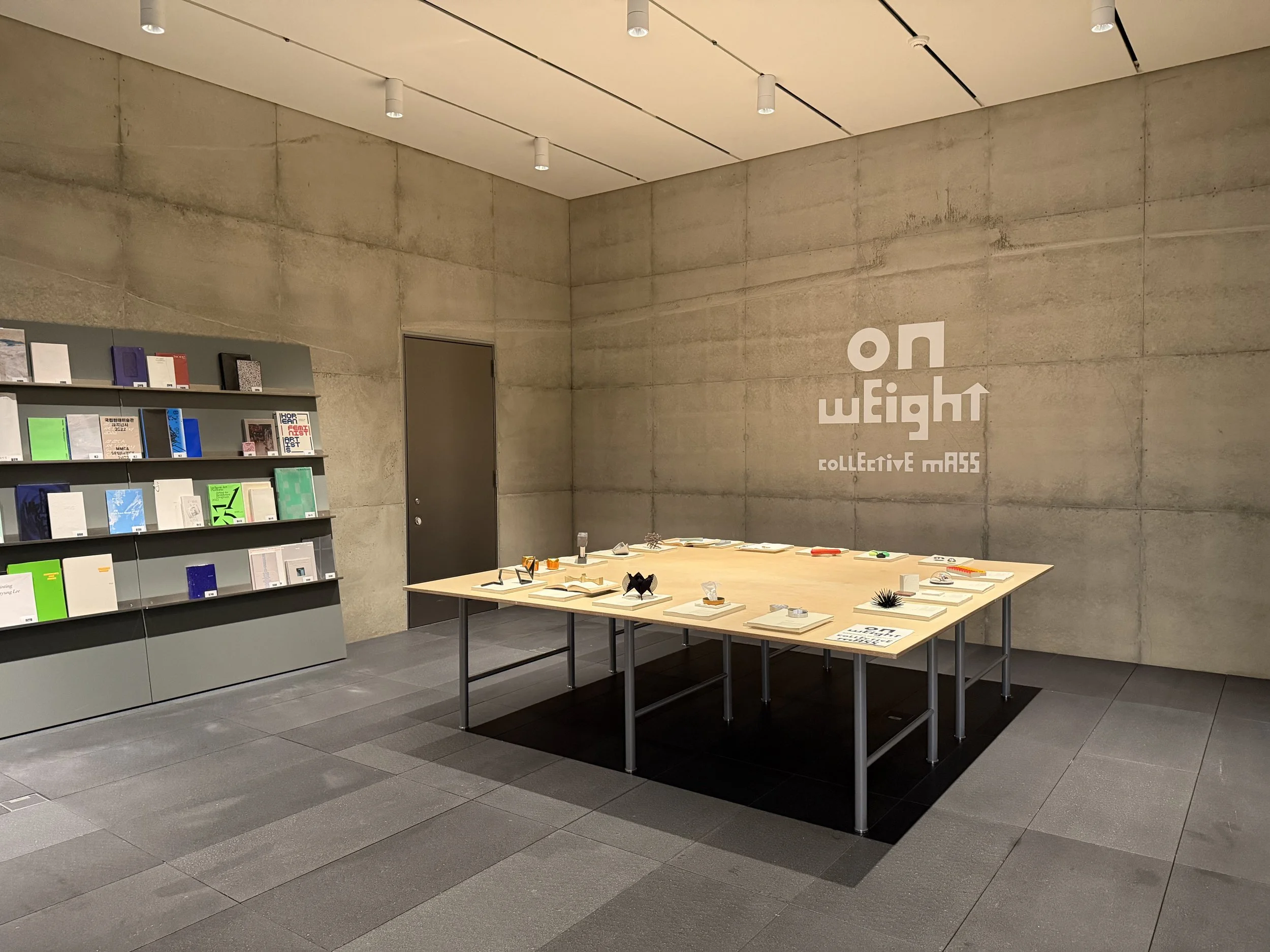
The Welcome Room at Songeun
Exhibition Details
Exhibition: <On Weight> (Special Design Project for the 25th Songeun Art Award)
Dates: Dec 12, 2025 (Fri) – Feb 14, 2026 (Sat)
Location: SONGEUN Welcome Room
Event: Holiday Market (Dec 21, Sun)
If you have any questions or happen to be passing by, do not be afraid to message me through Instagram @fakeprintshop or E-mail studio@fakeprintshop.com
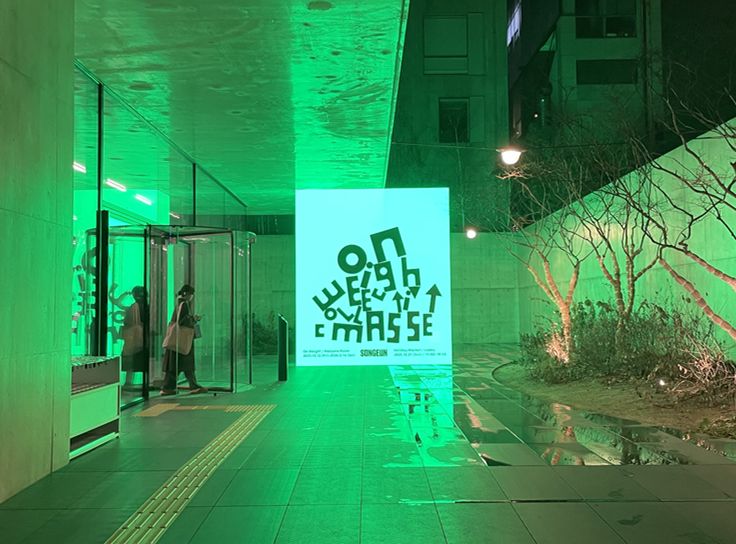
Please say hi :)